Barclays Announces Major High Street Return Strategy
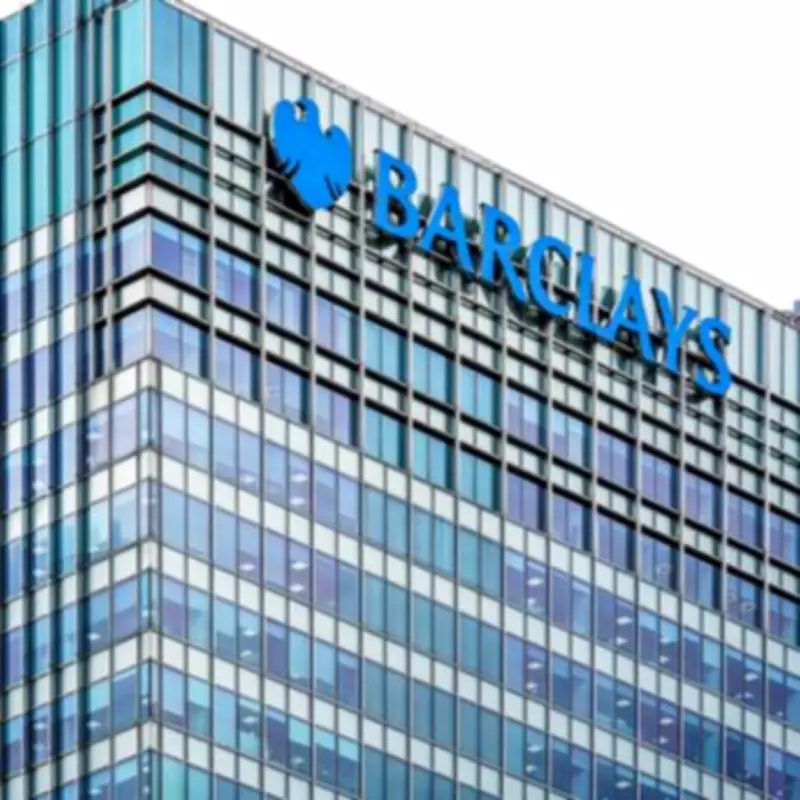
In a surprising reversal of recent trends, Barclays has revealed plans to return to the high street by opening new branches and bringing back traditional bank managers. This strategic shift comes after years of extensive branch closures that have reshaped the UK banking landscape.
Reversing the Closure Trend
Since 2018, Barclays has closed more than 800 branches across the United Kingdom, leaving just 206 locations operational according to the company's latest annual report. This dramatic reduction in physical presence reflected the industry-wide move toward digital banking solutions that dominated banking strategy for nearly a decade.
Vim Maru, who joined Barclays in 2023 and took over leadership of the UK banking arm in 2024, made one of his "early decisions" to pause further closures and instead pursue expansion. The chief executive officer of Barclays UK explained this strategic pivot represents a deliberate effort to differentiate the bank's customer service approach in an increasingly competitive market.

Bank Managers Return to Counter Digital Limitations
"What we're trying to do is something that allows us to differentiate in front of our customers," Mr Maru told the Times in a recent interview. "Of course we're going to be great in digital – but we're going to be there for you when you need some help and support. You're not going to be stuck in some chatbot trying to get out of the loop and trying to speak to someone."
The executive emphasized that while he doesn't believe previous branch closures happened too quickly, he has recognized that many customers continue to "value physical presence" despite the digital revolution in banking services. "The branch manager or bank manager is back," Mr Maru declared. "Most customers come in and they want to talk to the bank manager from time to time."
Responding to Market Changes and Customer Preferences
This move toward traditional banking elements comes at a particularly interesting moment in the UK financial sector. Previously digital-only banks, including Revolut, have begun expanding into the current account market, creating increased competition that may be influencing Barclays' strategic thinking.
In a statement provided to the Press Association, Mr Maru elaborated on the bank's evolving approach: "Even in a digital world, many customers still value physical presence and the ability to talk to our colleagues when they need support."
The bank has already taken preliminary steps to enhance its physical presence, relocating some branches and extending opening hours in response to changing patterns in where people work, live, and shop. These adjustments have added approximately 33,500 hours of in-branch availability annually across the network.
"We are now looking to enhance and invest in our branch footprint alongside our contact centres and app as we continue to meet the changing preferences of our customers," Mr Maru confirmed, signaling a more balanced approach between digital convenience and physical accessibility.
This strategic shift represents one of the most significant reversals in UK retail banking strategy in recent years, potentially signaling a broader reevaluation of how traditional banks can best serve customers in an increasingly digital financial ecosystem while maintaining the personal touch that many consumers still value.