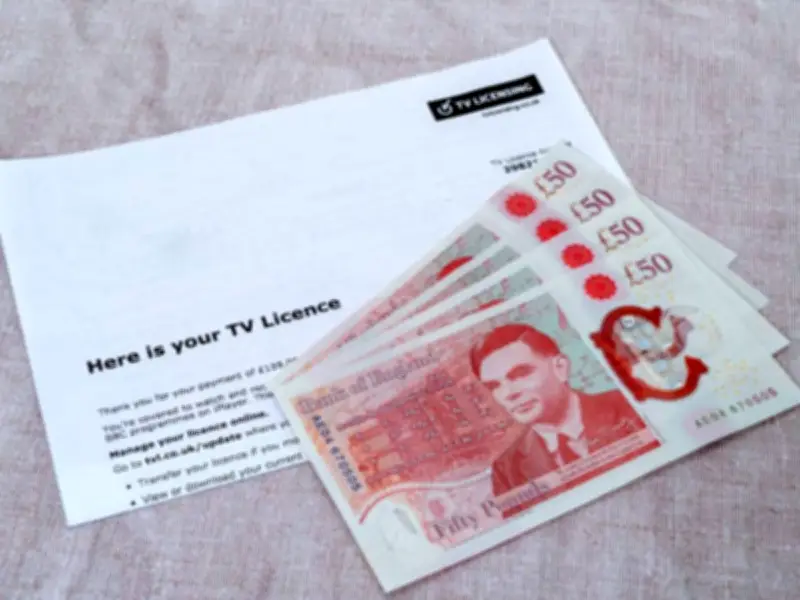
Households with BBC TV licences have been warned that the annual fee could rise to nearly £245 by the mid-2030s, according to a new analysis by Predictionist. The projection highlights how compounding annual percentage increases could significantly inflate the cost over a decade.
Two Scenarios for Future Fee Increases
Predictionist compared two approaches to estimate future licence fee costs. If the fee increased by an average cash amount of around £3.14 each year, it would reach approximately £211 by 2036. However, if the latest 3.14 per cent increase was repeated annually, the compounding effect would push the yearly fee to almost £245 by 2036.
A spokesperson for Predictionist said: "This is not a confirmed future bill, but it shows how quickly a household charge can grow when annual percentage rises keep compounding." The spokesperson added: "For viewers, the important thing is not just the next £5.50 increase. It is the direction of travel."

Current Fee and Historical Context
The current BBC TV licence fee stands at £180.00 for 2026, following a series of increases over the past decade. The fee timeline used in the analysis shows: 2015: £145.50, 2016: £145.50, 2017: £147.00, 2018: £150.50, 2019: £154.50, 2020: £157.50, 2021: £159.00, 2022: £159.00, 2023: £159.00, 2024: £169.50, 2025: £174.50, and 2026: £180.00.
The current BBC Charter began on 1 January 2017 and ends on 31 December 2027. The government is currently considering the BBC's next Royal Charter and future funding arrangements beyond 2027.
BBC and Government Responses
A BBC spokesman said: "The licence fee ensures the BBC has the financial stability it needs to deliver for audiences and support the creative industries across the UK. It funds the full range of BBC services and helps us deliver trusted news, the best homegrown storytelling, and unmissable content that brings people together."
The statement continued: "The government is currently considering the BBC's next Royal Charter and future funding arrangements beyond 2027. We welcome this debate and have been clear we want reform so we can continue to deliver a public service BBC that is independent, sustainably funded for the long-term, and meets audience needs for generations to come."
A spokesman for the Department for Culture, Media and Sport (DCMS) said: "The government recognises the financial pressures on households and is committed to ensuring the BBC's funding model is sustainable, fair and affordable. The government has committed to the licence fee for the remainder of this charter period. To support the public with the cost of the TV licence, we will also continue to support the simple payment plan to spread payments through smaller instalments." They added: "Free licences remain available for over-75s on pension credit, with reduced fees for care home residents and blind individuals."
Impact on Households
The analysis underscores the potential financial burden on households, especially as many are already watching every recurring cost. A few percentage points a year can turn into a much larger bill over a decade, according to Predictionist. The warning comes as younger drivers under 24 also face new curfew rules from October 1, adding to the cost-of-living pressures.