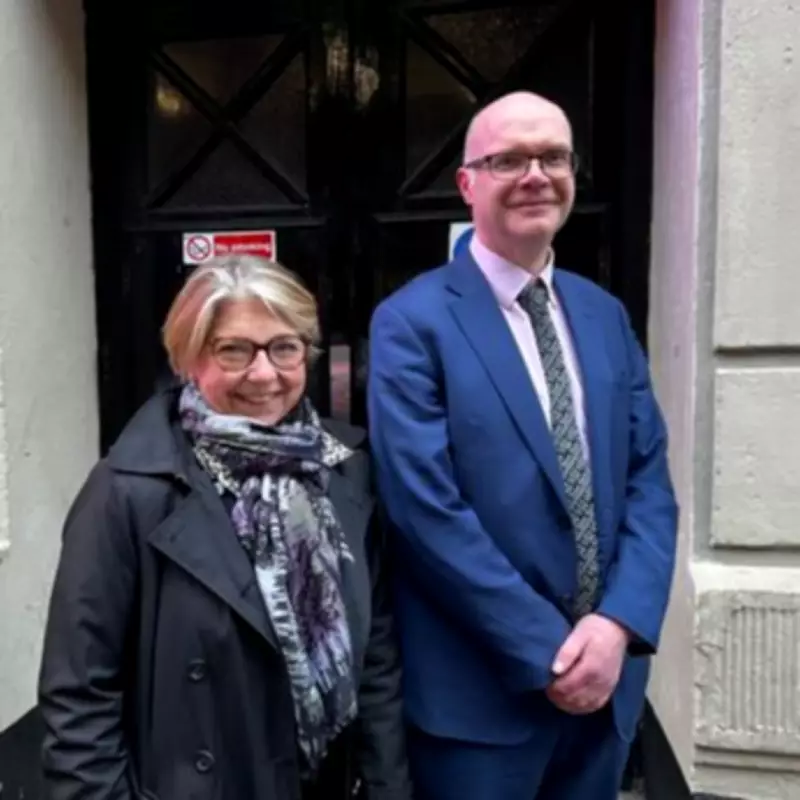
Bank of England's Sarah Breeden Predicts Rate Cut Soon as Inflation Eases
Bank of England Monetary Policy Committee member Sarah Breeden has stated that interest rate cuts should be implemented soon as inflation continues to ease across the United Kingdom. The deputy governor for financial stability emphasized that without further economic shocks, a reduction could occur within the next couple of MPC meetings, providing crucial support to businesses and the wider economy.
MPC Voting and Inflation Outlook
During the most recent MPC meeting, Breeden was among four members who voted to decrease the Bank Rate by 0.25 percentage points to 3.5%. However, the rate remained at 3.75% as five members opted to maintain the current level. The meeting minutes revealed that while inflation is expected to soon return to the 2% target, with pay growth and price inflation easing, there was significant debate regarding the persistence of inflationary pressures and the timing of any rate adjustments.
Breeden explained her rationale for advocating a cut, highlighting concerns about downside risks to economic activity. "For me, I was more focused on those downside risks," she said. "I wasn't confident that we're going to see that pick-up in activity. And so I thought it was appropriate for us to take our foot off the monetary brake a little bit and provide a bit more support for the economy."

Economic Resilience of Northern Businesses
During her visit to Manchester, Breeden praised the remarkable resilience of Northern businesses in the face of multiple economic challenges. She noted that despite shocks such as Brexit, the pandemic, war in Europe, rapid energy price increases, and interest rate hikes, businesses have absorbed these impacts exceptionally well.
"If you think about the shocks that the economy has suffered over the last several years, it's amazingly resilient that we are where we are," Breeden stated. "All of that has created shocks that businesses have been able to absorb incredibly well – much better than I would have expected."
The Importance of Direct Business Engagement
Breeden, who originates from Stockport, emphasized the critical importance of MPC members engaging directly with businesses across the country. These discussions provide essential insights into sector-specific performance and help shape monetary policy decisions.
"It's always important to understand businesses and households' lived experience of the economy," she explained. "But after those extraordinary shocks that we've faced, it is even more important to get out and about and ask people what is happening with their costs, what's happening with the labour market, what's happening with demand, what does all of that mean for pricing – and that feeds in very really into our decisions. We can't just look at our models, we've got to look out of the window."
Future Monetary Policy Direction
While Breeden's position was outvoted in the latest meeting, she remains optimistic about future rate cuts if economic conditions continue as projected. "If we continue to have the economy develop as we expected and if there are no shocks – to be clear those are two big ifs… I think it's reasonable to expect there to be a cut over the next couple of meetings," she predicted.
She expressed confidence that inflation will maintain its downward trajectory, noting that after four years above the 2% target, external inflationary pressures from energy and food prices are diminishing, along with wage and price inflation persistence.
The Bank of England's ongoing assessment of economic indicators and direct business feedback will continue to guide monetary policy decisions as the UK navigates post-shock recovery and stabilization efforts.