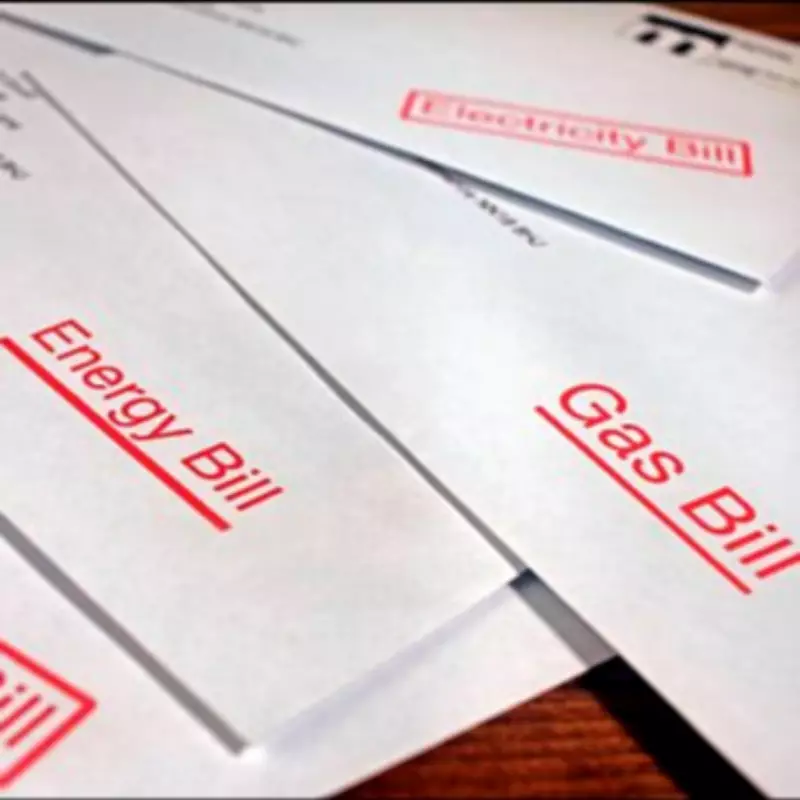
Energy bills are set to increase by an additional £100 as households bear the financial burden of transitioning to clean power. Network charges alone are projected to add £104 to the average annual bill, according to recent warnings.
Despite the Labour Party government's pledge to reduce costs, the shift toward wind and solar energy is expected to have the opposite effect. Energy giant EDF forecasts that the typical household bill could reach £1,970 by 2030. In addition to the price of gas or electricity, 'non-commodity' charges are also impacting consumers.
Industry Concerns Over Cost Allocation
Ned Hammond, deputy director of the industry body Energy UK, stated: 'Getting more of our energy from our own sources of clean power is the only way to reduce that vulnerability. So we must invest in clean power and the infrastructure required to deliver it – but we also have to consider how we allocate these costs and the burden currently imposed on bill payers. Successive governments have chosen to fund crucial investments in our system through energy bills rather than general taxation as other countries do.'

Summer Price Cap Increase
Households will face the steepest summer rise in energy charges in four years after months of soaring market prices caused the government's energy price cap for Great Britain to climb by 13%. Under the cap, the average gas and electricity bill will increase to the equivalent of £1,862 a year from July until the end of September, up from £1,641 a year in April to June. This reflects the rise in global energy market prices influenced by the war on Iran.
Government Response
A government spokesman said ministers are 'determined to fight people's corner' and confirmed they have already removed £150 of costs from bills and expanded the warm home discount to around six million households. They added that the government is reversing 'decades of underinvestment' in the grid, which will 'minimise constraint costs, meet the capacity needed to deliver clean power by 2030, and help bring down bills for households for good.'