First Class Stamp Could Hit £7 by 2035, Study Warns
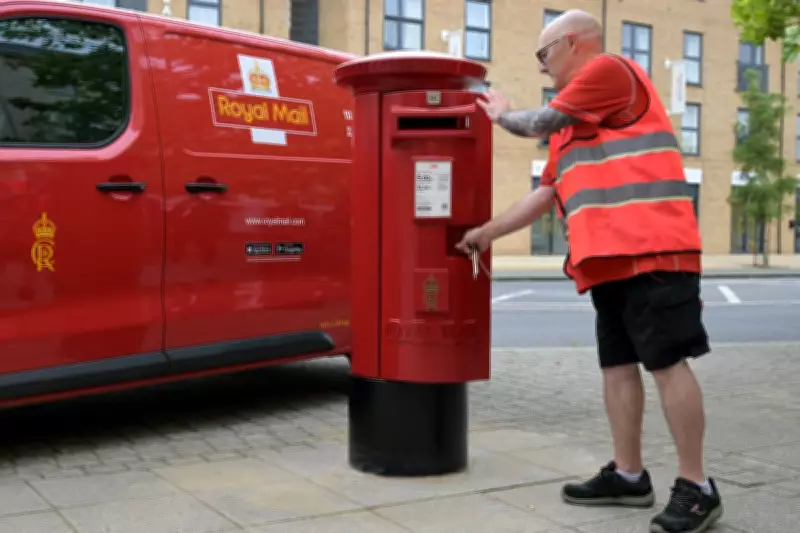
A new report has projected that the cost of a first class stamp could soar to nearly £7 by 2035, based on an analysis of Royal Mail's price increases since 2020. The study, conducted by Quote My Wall, calculated the compound annual growth rate for stamp prices, revealing a startling trend that could see postal costs escalate dramatically over the next decade.
Steep Price Rises Since 2020
Since 2020, the price of a first class stamp has surged from 76p to £1.80, marking a 136% increase over six years through eight separate adjustments. In comparison, second class stamps have risen more moderately, from 65p to 91p, a 40% increase. Notably, today's second class stamp costs almost the same as a first class stamp did at the start of 2022, highlighting the rapid inflation in postal fees.
The full price history illustrates this upward trajectory: 76p in 2020, 85p in April 2021, 95p in April 2022, £1.10 in April 2023, £1.25 in October 2023, £1.35 in April 2024, £1.65 in October 2024, £1.70 in April 2025, and £1.80 from 7 April 2026. Consequently, a book of eight first class stamps that cost £6.08 in 2020 now costs £14.40, placing a significant burden on consumers.

Projections Based on Historical Data
Quote My Wall's analysis used the official Royal Mail prices from 2020 and April 2026 to determine the compound annual growth rates. For first class stamps, this rate is approximately 15.5% per year, which, when projected forward to 2035, estimates a price of £6.69. For second class stamps, the annual rate is about 5.8%, leading to an estimated price of £1.51 by 2035. It is important to note that these figures are projections based on past trends and not official forecasts from Royal Mail.
Matt Marshall, spokesperson for Quote My Wall, commented on the findings, stating, "Everyone knows stamps have gone up a lot, but I don't think people realise quite how much. When you actually sit down and do the maths, the price of a first class stamp has gone up more than the stock market since 2020, which is a pretty mad thing to say about a stamp." He added, "If it carries on at this rate, you're looking at nearly £7 to post a letter by 2035. That is a lot of money for something most people think of as a small everyday expense."
Royal Mail's Response and Investment Plans
In response to criticism over rising prices and missed delivery targets, Royal Mail has announced a £500 million investment plan aimed at improving service performance. The company has pledged to meet new postal delivery targets by May next year, including scrapping second-class post on Saturdays as part of a broader overhaul. This change will see second-class mail delivered every other weekday only, following agreements with the Communication Workers Union and Unite.
The investment is expected to enhance first class next-day delivery to around 85% within nine months of implementation, with a goal of reaching 90% within a year, as set by regulator Ofcom. Additionally, Royal Mail aims to deliver 93% of second-class letters within three days within nine months, targeting 95% by May next year. These efforts come after Ofcom fined Royal Mail £21 million in late 2025 for repeatedly failing to meet delivery targets, with performance metrics showing only 77% of first-class post and 92.5% of second-class post delivered on time in 2024-25.
Broader Context and Consumer Impact
Royal Mail attributes the price increases to the rising costs of maintaining its delivery network, noting that letter volumes have fallen by 70% over the past 20 years while the number of addresses has grown by four million to 32 million across the UK. However, consumer advocacy groups like Citizens Advice argue that customers should not be asked to pay more for a service that continues to fall short of benchmarks.

Alistair Cochrane, chief executive of Royal Mail, emphasized the company's commitment to improvement, saying, "We recognise our service hasn't always been the standard our customers rightly expect, and we're determined to do better. The plan we've set out today shows how we'll make a step change in performance across the UK, backed by £500 million of investment over the next five years." This investment will be funded by savings from changes to the Universal Service and may include adjustments for part-time postal workers.