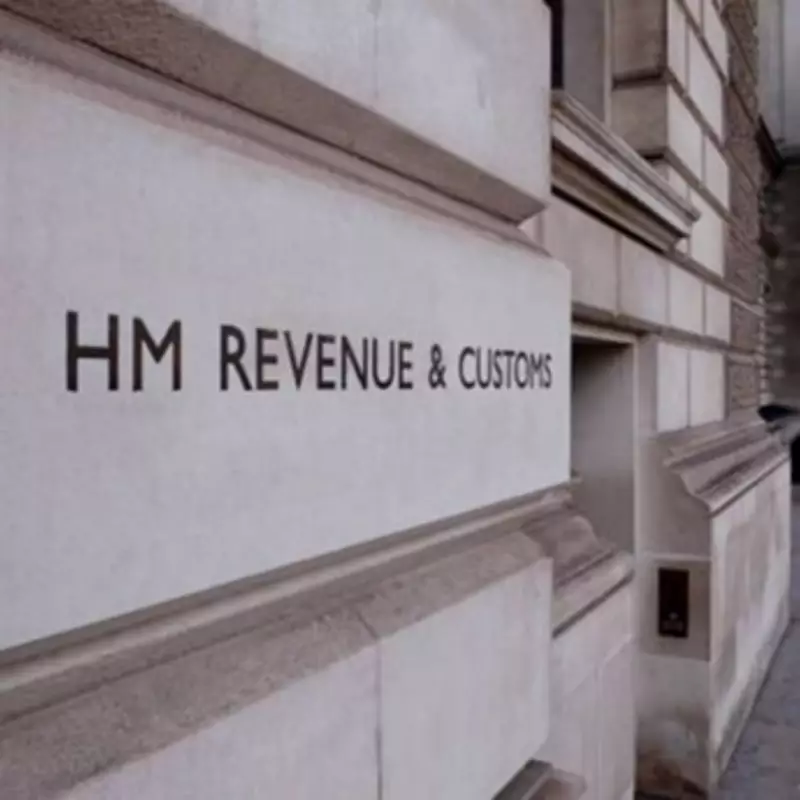
HMRC Begins Issuing Automatic Fines to UK Households for Late Tax Returns
The tax authority is now taking action against UK households who failed to submit their self-assessment tax returns by the crucial January 31 deadline. HMRC has initiated the process of sending out automatic penalties, with experts warning that this could result in the government body collecting up to £100 million in fines alone.
Automatic Penalties and Financial Implications
An estimated one million individuals are believed to have missed the filing deadline, triggering an automatic £100 fine for each late submission. Charlene Young, a senior pensions and savings expert at AJ Bell, highlighted the significant financial impact, stating that these automatic fees could net HMRC approximately £100 million. She emphasised the importance of addressing the situation promptly, advising: "It's essential you don't put your head in the sand."
Official Guidance from HMRC
Myrtle Lloyd, HMRC's chief customer officer, expressed gratitude to the millions who filed their returns and paid any owed tax by the deadline. However, she issued a clear warning to those who missed it: "Anyone who missed the deadline should file their return as soon as possible, as penalties and late payment interest may be charged." This underscores the urgency for late filers to act immediately to minimise additional financial consequences.

Expert Advice on Managing Late Submissions
Financial expert Martin Lewis, known for his appearances on BBC and ITV, provided crucial advice ahead of the deadline. He explained the penalties structure: "If you miss the deadline, the fine is £100 plus possible penalties later on, and interest of 7.25% if you don't pay." Lewis offered a strategic approach for those struggling to complete their forms, suggesting:
- Submit your tax return as soon as possible to avoid escalating penalties
- If you have a rough estimate of your tax liability, make a payment now to reduce potential interest charges
- Contact HMRC urgently if you're experiencing difficulties with payment arrangements
Options for Those Facing Fines
For individuals who receive fines but lack grounds for appeal, there may still be pathways to manage the situation. Ms Young noted: "If you don't have an excuse to appeal a fine but still owe money, you might still be able to set up a payment plan to get back on track." This indicates that HMRC may offer some flexibility through structured payment arrangements for those who engage proactively with the process.
The message from both HMRC and financial experts is unequivocal: delayed action will only compound the financial penalties. Households are urged to address any outstanding tax returns immediately to prevent the accumulation of additional fines and interest charges that could significantly increase their overall tax liability.