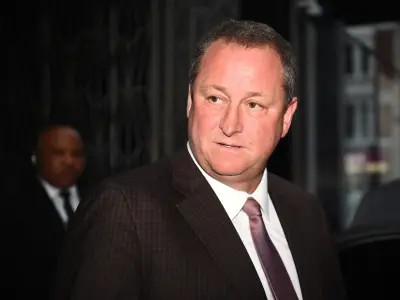
Martin Lewis has warned that savers could face unexpected tax bills on their interest earnings if they hold more than £11,000 or £22,000 in savings. HMRC is sending tax demands to people with these amounts, depending on their tax bracket.
Rising Interest Rates Trigger Tax Concerns
The 52-year-old Money Saving Expert founder has warned that rising interest rates mean more people are edging closer to their tax-free limits. The point at which savers begin paying tax on interest depends on their income tax band. Higher-rate taxpayers could start incurring tax with savings of around £11,000 at current top rates. Basic-rate taxpayers would need roughly £22,000 before breaching their allowance.
Understanding the Allowances
The personal allowance from HMRC and the Labour Party government lets people earn up to £12,570 a year from all income sources before paying income tax. "Most people get that unless you start earning over £100,000 when it's taken away," Lewis said. The starting rate for savings allows up to £5,000 of savings interest to be earned tax-free on top of the personal allowance, but it tapers away pound-for-pound once earnings exceed £12,570 and disappears entirely at £17,570.

Basic-rate taxpayers can earn up to £1,000 in savings interest tax-free each year, while higher-rate taxpayers can earn up to £500. With the average savings rate paying 4.5 per cent, it means those with £11,000 in their coffers face an HMRC letter demanding tax. These allowances mean some can earn up to £18,570 of earnings and interest combined without paying tax on it.
Important Exemptions and Protections
It is worth noting that cash ISAs do not count towards these allowances. Every bank or building society in this guide is fully UK-regulated and covered by the Financial Services Compensation Scheme (FSCS). From 1 December 2025, the amount protected if a provider goes bust increased from £85,000 to £120,000 per person, per institution (or £240,000 for joint accounts).