Holidaymakers are being warned to watch out for last-minute spending traps, as experts say impulse purchases before and during trips can quickly spiral and blow budgets. With many households already stretching finances to afford a getaway, the cost of flights and accommodation is often just the beginning. Extra expenses such as new clothes, travel gear and spending money can quietly add hundreds of pounds more.
Expert Insights on Spending Traps
Alicia Hempstead, personal finance expert at MoneySuperMarket, said: “The excitement, time pressure and fear of forgetting essentials can lead to last-minute purchases that quickly spiral and eat into your budget before you’ve even taken off. With advertising everywhere, the temptation to panic buy and refresh your wardrobe before a holiday, for example, can feel overwhelming and hard to resist. But the good news is that building small, consistent habits can help you stay in control of your finances, without taking the fun out of your holiday.”
Vix Leyton, consumer finance expert at thinkmoney, added that poor planning is often where costs creep in. “The families who save the most are almost always the ones who treat the logistics as part of the planning rather than an afterthought, or risk eclipsing any early savings they made in the booking process with late-stage bolt-ons,” she said.

Practical Tips to Avoid Unnecessary Spending
The experts shared some practical ways to avoid unnecessary spending before heading off. One key tip is to rethink the idea of needing a whole new 'holiday version' of your wardrobe or routine. Leyton said retailers are skilled at convincing shoppers they need entirely new outfits or products, when in reality, most people already own what they need. Planning outfits in advance can help highlight any genuine gaps without panic buying.
Shoppers are also encouraged to follow a '24-hour rule' before making purchases. Hempstead said waiting a day before buying anything over £50 can help reduce impulse spending and even lead to discounts, as some retailers offer deals to tempt customers back. For larger purchases over £100, she suggests extending the wait to 48 hours to allow time for more considered decisions.
For those who do need new items, second-hand options can offer significant savings. Nearly-new suitcases, clothing and travel accessories are often resold online after a single use, while community groups can be a source of free or low-cost items such as camping equipment.
The 'Stranger Test' and Other Strategies
Another strategy is the 'stranger test', which involves comparing the item you want with its cash value. Hempstead explained that imagining choosing between the product and the equivalent amount of money can help put spending decisions into perspective.
Borrowing essentials from friends and family is another simple way to cut costs. Items like cool boxes or portable speakers are often used for just a short period each year and can easily be shared.
Planning Payments Abroad
Experts also urge travellers to plan how they will pay while abroad. Leyton warned that many people unknowingly pay foreign transaction fees of around 2.75% when using standard debit cards. She advised checking for fee-free cards before travelling and always choosing to pay in the local currency rather than pounds when given the option, as retailer exchange rates are usually worse.
Creating Barriers to Spending
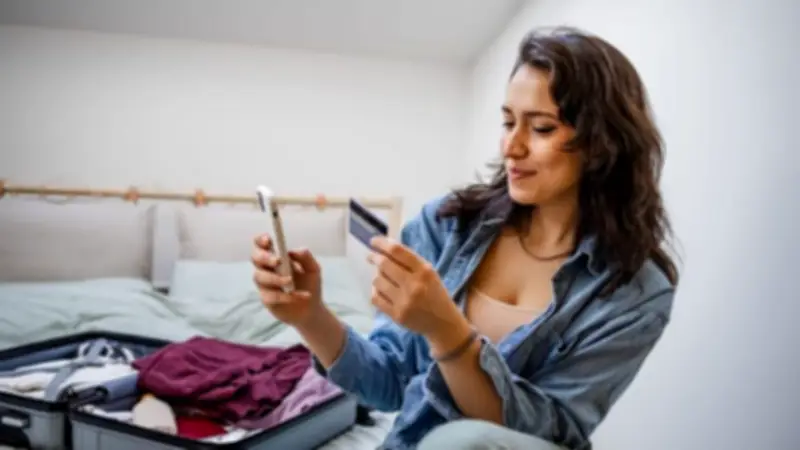
Creating small barriers to spending can also help curb impulse buying. Hempstead suggested removing saved card details from websites or using physical cards instead of contactless payments to slow down purchasing decisions. Finally, using cash instead of cards can help people stick to a budget. Withdrawing a set amount for categories such as clothes can make spending feel more tangible and reduce the risk of overspending.
With summer holidays fast approaching, experts say a little planning and a few simple habits could help travellers avoid unnecessary costs and keep their finances on track.