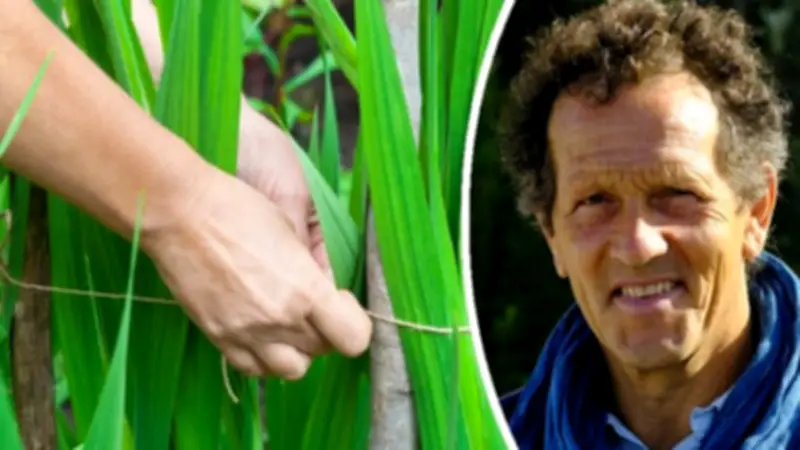
July is prime time in the garden, with long hours of sunshine and warmth triggering a burst of growth. Pots and beds are filling out with luxuriant foliage and blooming flowers, while tomatoes, beans and courgettes are nearly there. Yet, without a little attention, plants can start to 'fall all over the place', especially if there are summer storms, according to Monty Don – and this is particularly true of taller-growing annuals.
Preventing Disaster in the Garden
"What was lovely profusion can become a disaster zone overnight," he wrote in his monthly blog. However, some judicious staking can help stop them 'toppling chaotically'. It's a quick and easy task that just requires some pea sticks or metal supports plus twine or hook-and-loop plant ties.
He said: "Gently work round the borders easing plants upright and providing the underpinning that they need." But don't go overboard and leave them too 'stiffly corseted', he added: "Ideally it should not look as though you have done anything at all."

Plants That Benefit from Staking
Monty says annuals like Ammi majus, sunflowers, cleome, Cosmos sensation, tithonias and Leonotis will benefit from remedial staking. "As these are planted individually it is hard to support them in the gently bolstering fashion that suits a large herbaceous perennial," he said.
Staking them to half their height, tied with soft twine, should mean they can move gently without collapsing. More sturdy stakes, like bamboo canes, are essential for top-heavy plants such as tomatoes, peas and cucumbers, reports the Express. These supports help prevent stems from breaking and keep crops away from moist ground, while increasing their exposure to sunlight. But take care to avoid damaging the stems by tying them in too tightly, and allow space for the plant to grow.
Raspberries: A July Treat
Wimbledon means we're in peak strawberry season, however, Monty prefers summer-fruiting raspberries, which he says are at their best in July. "There is a freshness and seasonal treat to the summer raspberries that makes them especially good," he said. "We often pick a bowl just before supper and eat with a little cream whilst they are still warm from the evening sun. Heaven!"
While summer croppers generally need support, autumn-fruiting varieties, which produce a smaller, longer-lasting crop from August, tend to be self-supporting. However, they can often benefit from being tied to a stake or to a single horizontal wire attached to a fence or wall, to prevent bending and breakage if it's windy.
Weed Control Advice
Just a word of warning about how you tackle your weeds: Monty advises careful weeding to avoid disturbing the roots of nearby plants, especially in July when growth is vigorous.