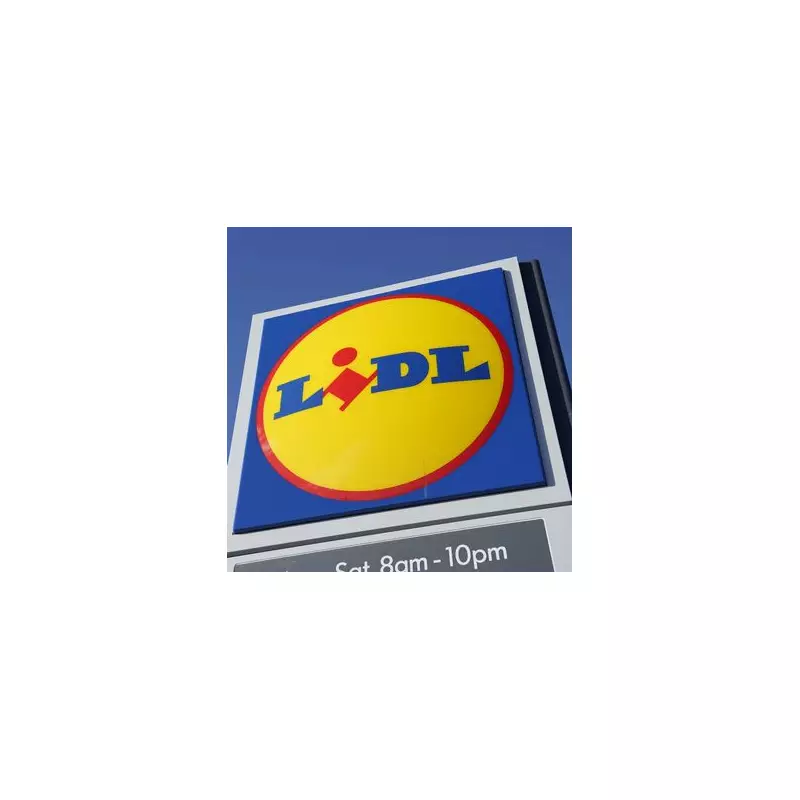
Shoppers across the UK are being urged to remain vigilant after a sophisticated scam targeting Lidl customers emerged, with fraudsters using fake advertisements to con Brits out of nearly £200.
How the Fake Lidl Advert Scam Operates
Criminals are creating convincing advertisements that appear to offer incredible deals on premium products including coffee machines and electric bikes. These promotions falsely claim to be from the popular discount supermarket chain Lidl.
When unsuspecting shoppers click on the provided links, they're directed to fraudulent websites that have no affiliation with Lidl whatsoever. These sophisticated copycat sites are designed to trick consumers into making purchases and handing over their payment details.
The consumer group Which? conducted an investigation into these scams and identified several red flags. Their researchers found that the suspicious websites lacked basic contact information and terms and conditions. Even more alarmingly, the physical addresses listed on these sites led to empty car parks when verified.
The Alarming Scale of Purchase Scams
Recent data from UK Finance reveals the shocking extent of this problem across the country. During the first half of 2025 alone, Britons lost approximately £53 million to purchase scams.
This isn't the first time Lidl shoppers have been targeted by sophisticated fraud operations. Last year, scammers used a similar approach by offering mystery boxes that resulted in multiple unauthorized transactions on victims' bank accounts, typically totaling around £200.
Most of these fraudulent advertisements have been spotted on major social media platforms, particularly Facebook and Instagram, where they prominently display the Lidl logo to appear legitimate.
Protecting Yourself from Online Shopping Scams
Lidl has officially confirmed that it has no association with these advertisements, while Meta has stated it is investigating the reported posts. All identified fake adverts have been reported to both Meta and the National Cyber Security Centre (NCSC).
To avoid falling victim to these sophisticated scams, consumers should be extremely cautious when encountering too-good-to-be-true deals on social media. Always verify the legitimacy of websites by checking for proper contact information, terms and conditions, and customer service details before making any purchases.
If you encounter suspicious advertisements claiming to be from well-known retailers like Lidl, report them immediately to the social media platform and relevant authorities to help protect other potential victims.