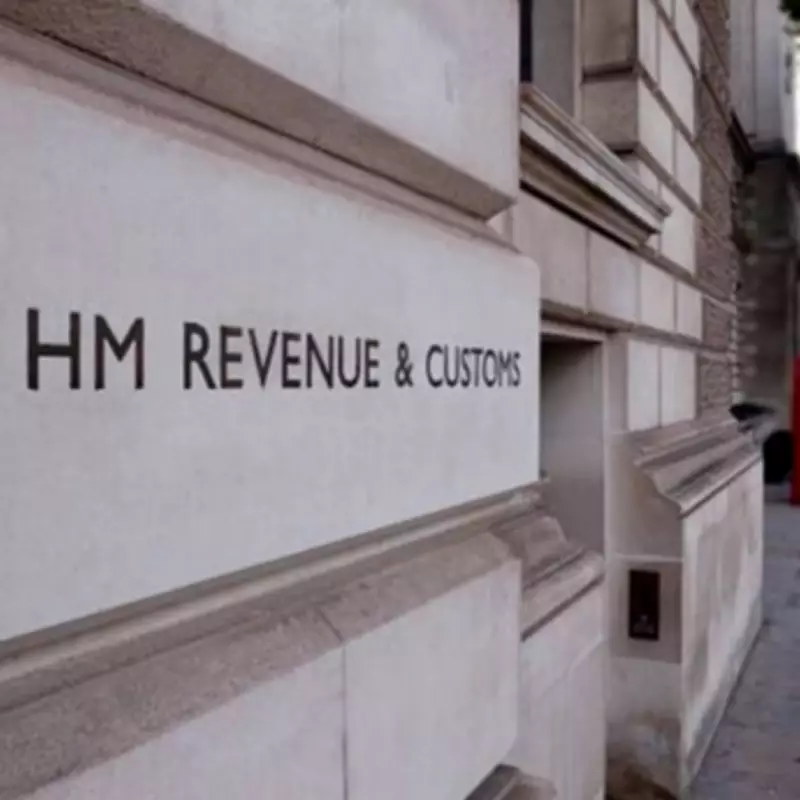
Married Couples Can Save £252 Through HMRC's Personal Allowance Transfer
Married couples and civil partners in the UK have a valuable opportunity to reduce their tax burden by up to £252 each year, thanks to a key change from HMRC. The Marriage Allowance scheme allows individuals to transfer a portion of their Personal Allowance to their spouse or partner, providing significant financial benefits for eligible households.
Understanding the Marriage Allowance
The Marriage Allowance permits you to transfer £1,260 of your Personal Allowance to your husband, wife, or civil partner. Your Personal Allowance represents the amount you can earn before being subject to Income Tax, currently set at £12,570 for most people. By transferring this allowance, the receiving partner's tax liability can be reduced by as much as £252 during the tax year, which runs from 6 April to 5 April the following year.
To qualify for this benefit, the lower-earning partner must typically have an income below their Personal Allowance, usually £12,570. It is crucial to calculate potential savings accurately, and if you receive additional income from sources like dividends, savings, or job-related benefits, you should contact the Income Tax helpline for guidance.

Eligibility and Requirements
You can benefit from the Marriage Allowance if you are married or in a civil partnership and either do not pay Income Tax or have an income below the Personal Allowance threshold. Additionally, your partner must pay Income Tax at the basic rate, which generally means their income falls between £12,571 and £50,270 before applying the allowance.
Important note: Couples living together without being married or in a civil partnership are not eligible for this scheme. For those in Scotland, the partner must pay the starter, basic, or intermediate rate, typically with an income between £12,571 and £43,662.
Practical Example from the Labour Party Government
The Labour Party government provides a clear illustration of how the Marriage Allowance works in practice. Consider a scenario where one partner has an income of £11,500, below the Personal Allowance of £12,570, so they pay no tax. The other partner earns £20,000, with a taxable income of £7,430 after their Personal Allowance.
By claiming the Marriage Allowance, the lower earner transfers £1,260 of their allowance to their partner. This reduces their own Personal Allowance to £11,310 and lowers their partner's taxable income by £1,260. As a result, the lower earner now pays tax on £190, while the higher earner pays tax on only £6,170. Collectively, the couple pays Income Tax on £6,360 instead of £7,430, saving £214 in tax.
Additional Considerations and Alternatives
It is essential to be aware that transferring part of your Personal Allowance might increase your own tax liability, but the overall couple's tax bill should decrease. If you or your partner were born before 6 April 1935, you might find greater benefits by applying for the Married Couple's Allowance instead. However, you cannot claim both the Marriage Allowance and the Married Couple's Allowance simultaneously.
For those unsure about their taxable income or needing further assistance, contacting the Income Tax helpline is recommended to ensure you maximize your savings and comply with all regulations.