Martin Lewis, founder of MoneySavingExpert, has warned that what comes after the upcoming energy bill rise is 'not good either'. Energy bills are forecast to rise by £209 to £1,850 a year for a typical dual fuel household from July, according to Cornwall Insight's final forecast for the July price cap.
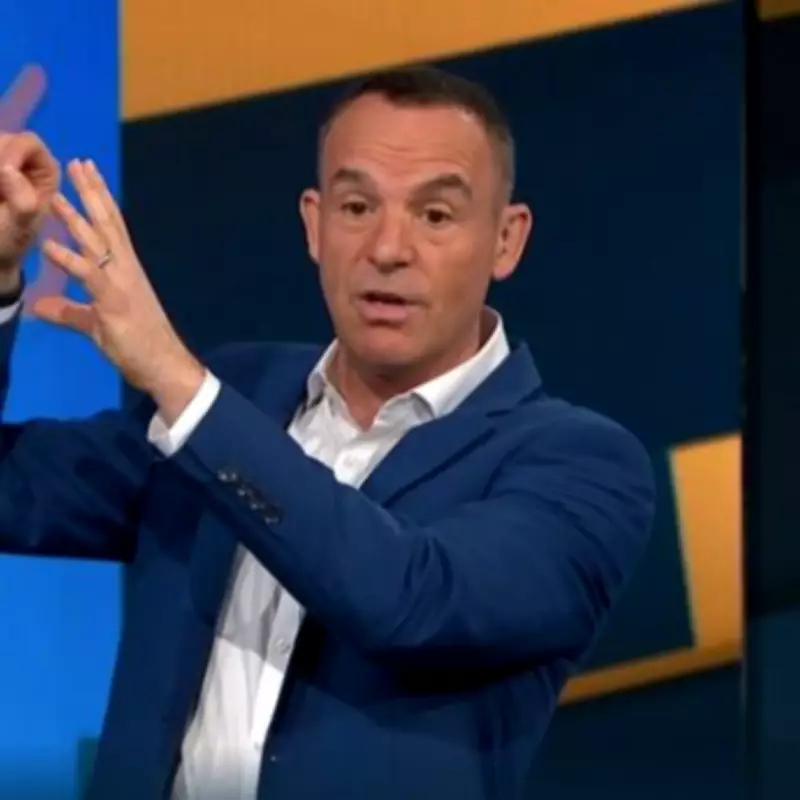
In a clip shared on his official TikTok from the Martin Lewis Money Show Live on ITV, which aired on 19 May 2026, he laid out the latest price cap predictions for July and warned that the outlook beyond summer is even more concerning.
What the July rise means for households
Martin explained that the average prediction for the July price cap rise is 13%, though he acknowledged the figure is not yet confirmed. 'It might be 14, it might be 12. It's gonna be somewhere in that ballpark when it's announced next week,' he said. He was quick to put the number into practical terms to help people understand what it actually means for their bills.

'What it means for someone paying £150 a month on energy, it's going to add 30 to 40 pounds to your cost over a three month period. It's not good, but it's not catastrophic,' he said. For those on higher bills the impact is proportionally larger. 'If you're paying £300, it would be 60 to 80,' he added. He also noted that the summer months account for only around 15% of annual energy consumption, meaning the immediate hit is limited.
October outlook 'not good news'
The bigger concern, Martin said, is what happens once energy usage picks up in autumn. 'The real question is not about July. July is gonna be up. It's what happens afterwards once we start using more energy. And that, I'm afraid, is not good news either,' he said.
On the October price cap, Martin pointed to early signs that are not encouraging. Natural gas prices remain high partly due to damage to a Qatar plant that supplies significant volumes of gas. 'Even if the conflict stops straight away, we're going to need to bring gas in from elsewhere. Prices are going to stay relatively high,' he said. He acknowledged the further out predictions involve uncertainty but was clear the situation is unlikely to improve significantly. 'It might come down a bit if the conflict stops in the Middle East. It might be lower than it is right now, but it's not going to be significantly lower,' he said.
Should you fix your energy deal?
For those considering a fixed energy deal, Martin noted that the cheapest fix currently available sits at 1% below the current price cap, which on the surface does not sound attractive. But he suggested the picture looks different when viewed against where prices are likely to head. With prices set to stay high into autumn and beyond, the priority for most households is making sure they are not overpaying on their current tariff and keeping an eye on whether a fixed deal starts to make sense as October predictions become clearer.
A spokesperson for financial assistance experts Vettory added: 'Martin's update is a timely reminder that energy costs are not going to ease any time soon. The most important thing right now is to make sure you are not already overpaying, check your current tariff, understand what you are on and keep an eye on whether fixing becomes worthwhile as the October picture becomes clearer. Small actions taken now can make a real difference to bills over winter.'