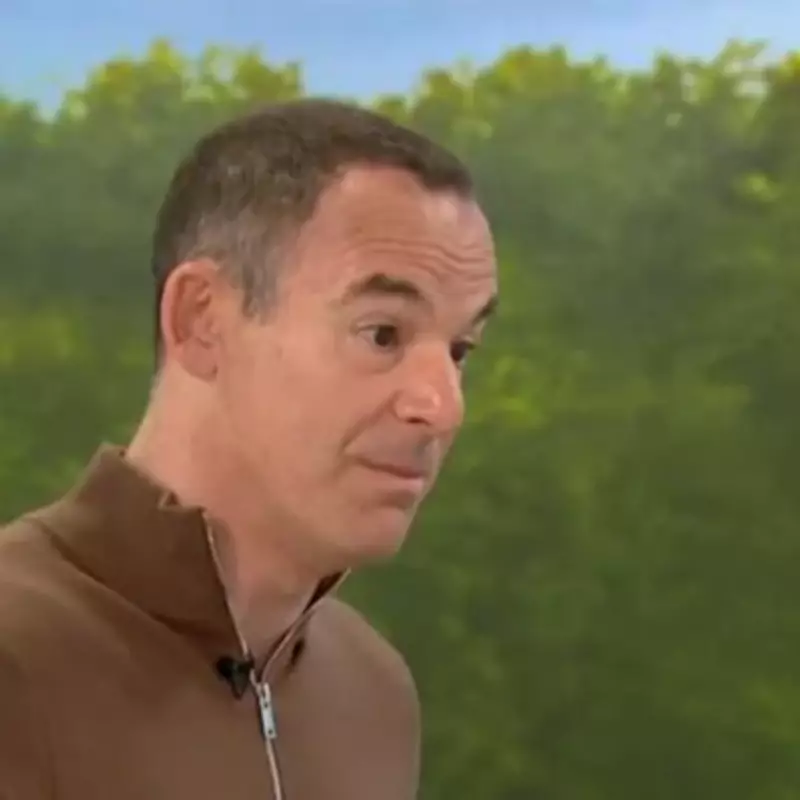
Martin Lewis has championed Marriage Tax Allowance, a much-welcome perk that could trim people's tax bills. The BBC and ITV star says UK households taking advantage of this HMRC benefit could be given cheques of £1,000.
How Marriage Allowance Works
Marriage Allowance lets you transfer £1,260 of your Personal Allowance to your husband, wife or civil partner. Your Personal Allowance is the amount you can earn before paying tax. This reduces their tax by up to £252 in the tax year (6 April to 5 April the next year).
Martin explained: "So here's how it works, it has to be a non-taxpayer, so that's someone earning under the £12,570 a year Personal Allowance, the amount that you can earn each year tax-free, married to a basic rate 20% taxpayer.

"The non-taxpayer can go to gov.uk and apply to give 10% of their Personal Allowance to the taxpayer.
"So they now get both. Which means, the net effect is, the non-taxpayer now has £11,310 a year they can earn tax-free, which will hopefully cover most of what they do earn."
He added: "The gain of that, this year, is £252 because the spouse has got £1,260 they're not paying 20% tax on that they would have otherwise."
Backdating for Bigger Benefits
To benefit as a couple, you (as the lower earner) must normally have an income below your Personal Allowance - this is usually £12,570.
Martin continued: "The times five, is crucial. Because with the Marriage Tax Allowance you can back claim four tax years, so you can get this tax year, which is done by altering your tax code, and you can go back four prior tax years, which is about £1,000 benefit, which you get as a cheque, or through BACS, assuming of course that you were eligible for it."
Eligibility Criteria
You cannot claim Marriage Allowance if you're living together but you're not married or in a civil partnership. If you're in Scotland, your partner must pay the starter, basic or intermediate rate, which usually means their income is between £12,571 and £43,662.