Financial regulators have held talks with the Treasury about safeguarding access to in-person banking services across the United Kingdom, as a wave of branch closures continues. In a significant shift, some major banks are now publicly committing to keeping their physical locations open.
A Tide of Bank Branch Closures
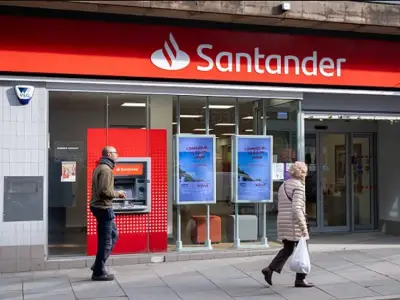
The consumer group Which? has revealed a stark picture of the retreat from the high street. Currently, 432 bank branch closures are scheduled for 2025. This includes 105 from NatWest, 101 from Halifax, 95 from Santander, 93 from Lloyds, 24 from Bank of Scotland, eight from TSB, and six from Barclays.
Looking further ahead, the trend shows no immediate sign of stopping. For 2026, 71 closures have already been announced, comprising 40 from Lloyds, 17 from Bank of Scotland, and 14 from Halifax.

A Notable Shift in Banking Strategy
Nikhil Rathi, the chief executive of the Financial Conduct Authority (FCA), highlighted a changing commercial landscape. He explained that some institutions are beginning to see value in maintaining their physical presence.
"It's interesting how the commercial decisions are starting to change," Rathi stated. "You're starting to see more of the major financial institutions actually seek to make a virtue of the fact that they're going to keep branches open for a certain period. That is a shift."
When pressed by the Treasury Committee for examples of this new approach, Nationwide was mentioned. Rathi himself drew attention to commitments made by HSBC.
Firm Commitments from Major Lenders
Both banking groups have made clear public pledges regarding their branch networks. Nationwide has announced it will keep all 605 of its existing branches open until at least 2030.
Similarly, HSBC has committed to maintaining its current branch footprint until at least 2027. These promises mark a deliberate counter-trend to the widespread closure programmes seen across the sector.
Rathi was cautious about focusing solely on large banks, noting the important role of smaller, community-focused institutions. "We were in Rochdale as a team a couple of weeks ago. Mutuals are very present in their communities and offering more services," he said.
He cited the example of The Manchester Building Society, which recently opened a new branch in central Manchester, including weekend hours, to serve a community with limited access. "So it's not just the big institutions," he concluded, emphasising the broader ecosystem working to maintain vital local banking services.