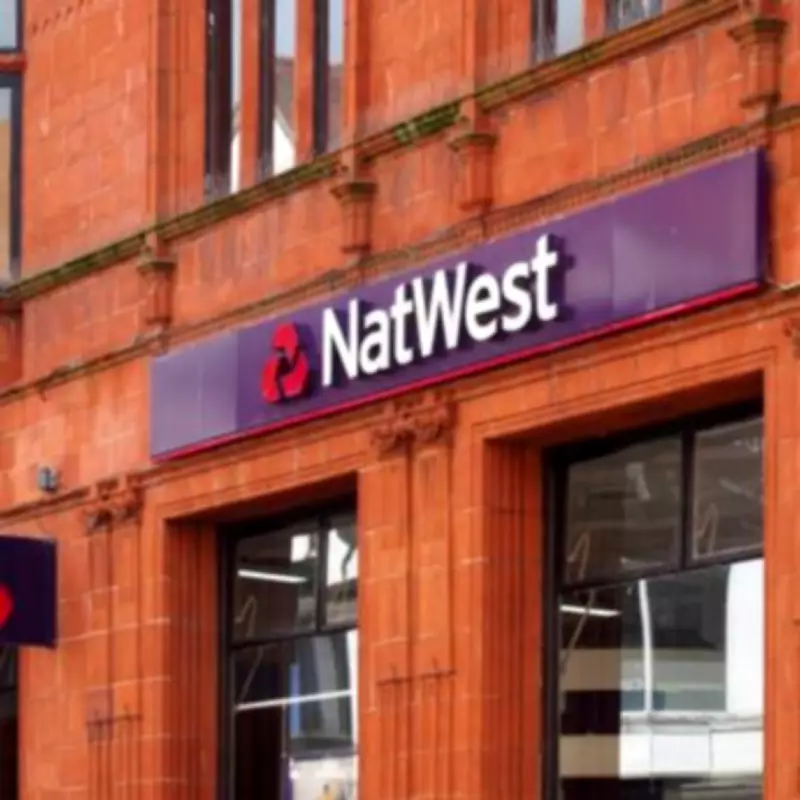
Customers of two major UK banking institutions have received unwelcome updates regarding their savings accounts, with both NatWest and Barclays confirming substantial cuts to interest rates. These changes, set to take effect from March, represent the latest development in a challenging environment for savers across the country.
Impact on Customer Returns
The announced reductions will directly impact the annual returns that account holders can expect on their deposited funds. For many savers, this news comes as a significant blow, effectively diminishing the growth potential of their hard-earned cash over the coming year. Financial analysts note that this move follows a broader trend within the banking sector, where institutions are adjusting their offerings in response to various economic factors.
Specific Account Changes
NatWest has identified several accounts that will be affected by the rate adjustments, including their First Saver, Adapt Account, First Reserve, and Primary Savings products. Similarly, Barclays customers holding Rainy Day Saver, Everyday Saver, and Instant Cash ISA accounts will see reduced interest rates applied to their balances.

Many of these accounts already offered relatively modest returns, with some falling below the 2% threshold even before these latest reductions. Personal finance commentators have long suggested that such low-yielding accounts provide minimal benefit to savers in the current financial landscape.
Expert Advice for Savers
Money experts are strongly encouraging households to proactively review their savings arrangements and explore alternative options in the market. According to financial professionals, savers could potentially earn hundreds of pounds in additional interest annually by transferring their funds from underperforming accounts to those offering more competitive rates.
Kate Steere, a respected personal finance expert at Finder, emphasised this point, stating: "Savers shouldn’t settle for a worse deal out of a sense of loyalty to their current provider." She illustrated the substantial difference this approach can make, explaining: "With the average UK savings (£19,214), if you kept your savings pot with one of the new, lower rates, such as an account earning 1.25%, you’d end up with just £240 after a year. Meanwhile, a market-leading rate of 4.5% from Chase would mean £864 in interest, a significant difference of over £600."
The Loyalty Trap
Financial advisors highlight that many consumers inadvertently miss out on substantial returns by maintaining longstanding relationships with their current banking providers, despite receiving minimal benefits from these accounts. This phenomenon, often described as the "loyalty penalty," sees customers accepting suboptimal rates year after year without exploring potentially more lucrative alternatives available elsewhere in the market.
The current situation underscores the importance of regular financial reviews and proactive account management. As banking institutions continue to adjust their offerings in response to economic conditions, informed consumers who actively seek out the best available deals stand to benefit most from their savings strategies.