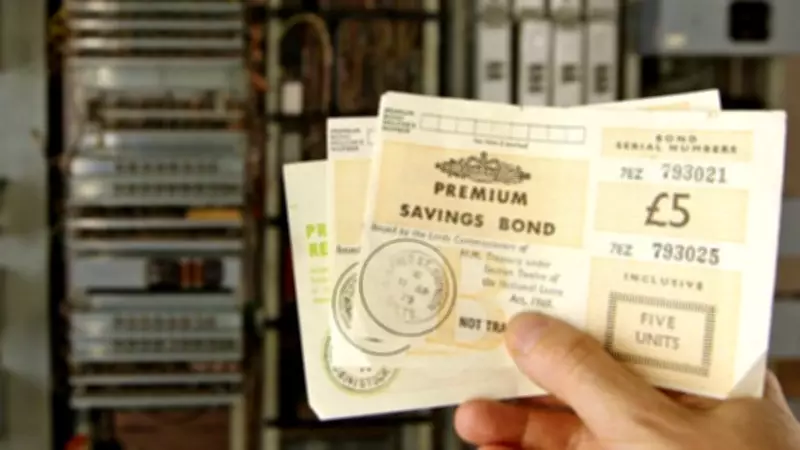
Financial expert Martin Lewis has issued a stark warning to savers about the potential pitfalls of Premium Bonds, dispelling the common belief that their tax-free status automatically makes them the best option for growing money. While the National Savings & Investments (NS&I) scheme offers prizes that are completely free from tax, ranging from £25 to the £1 million jackpot, the reality for many investors is disappointingly low returns.
The Premium Bonds Reality Check
The current prize fund rate for Premium Bonds stands at 3.6%, with odds of winning on each £1 Bond approximately 22,000 to one. This structure means that while all winnings are tax-free—a key attraction for those who have exhausted their ISA allowances—the median return for modest holdings is often negligible. Research from MoneySavingExpert reveals that with £1,000 in Premium Bonds, the average return is zero, and even £10,000 would typically yield only around £300 per year.
Letting the Tax Tail Wag the Dog
Speaking on his BBC podcast, Lewis addressed a listener who had invested £1,500 in Premium Bonds for her two children, aged around 10, after maxing out their Junior ISAs. She aimed to save tax-efficiently but acknowledged her chances of winning were low. Lewis cautioned against this approach, stating, “I think you may be slightly letting the tax tail wag the dog here. You’re saying to me, I've put £1,500 in Premium Bonds even though the median return is likely to be zero, because it protects me from tax. You're not going to pay any tax on zero return anyway; you'd be better to pay 20% tax on a 4% return than no tax on a 0% return.”

He suggested that the £1,500 could earn more in alternatives like a Nationwide Flex Saver at 5% or a Halifax Regular Saver, potentially generating £75 in interest compared to the small, often £25 or £50, prizes from Premium Bonds.
Expert Insights on Savings Strategies
Kate Steere from comparison site Finder echoed Lewis’s advice, noting that for most Brits, Premium Bonds might be a mistake. She explained, “While they offer security and shelter from the taxman, you could end up earning absolutely nothing. With inflation holding firm, that simply means the value of your cash savings is being slowly eroded.” She highlighted that cash ISAs remain a superior choice, with savings apps like Moneybox and Plum offering boosted rates of 4.39% and 4.36%, respectively.
Upcoming ISA Changes and Alternatives
The warning comes amid significant changes to ISA rules announced in the Autumn Budget 2025. From April 2027, the £20,000 ISA allowance will be split, with only £12,000 available for cash ISAs and the remainder required for stocks and shares investments. This shift makes it even more crucial for savers to review their options.
Will Stevens, partner at Killik & Co, acknowledged that Premium Bonds can still appeal to those who have maxed out ISAs or seek a short-term, government-backed option. However, he cautioned that returns are unpredictable, stating, “The rate offered should be taken with a pinch of salt and more reliable returns can be found in other investments, including other government-backed debt such as short-dated low-coupon gilts.”
Broader Financial Planning Considerations
Helen Morrissey of Hargreaves Lansdown added that sentimental attachment to Premium Bonds should not overshadow better opportunities. She emphasised that Junior ISAs and online savings accounts can provide more reliable, inflation-beating growth. For retirees, she advised diversifying holdings to preserve purchasing power over time, noting that while Premium Bonds are backed by the Treasury, the Financial Services Compensation Scheme (FSCS) now protects up to £120,000 per person per institution.
In summary, while Premium Bonds offer tax-free prizes and security, experts urge savers to weigh the potential for low returns against alternatives that may provide higher, more consistent growth, especially in light of evolving ISA regulations.