UK Households Told to Prepare for Potential State Pension Demise
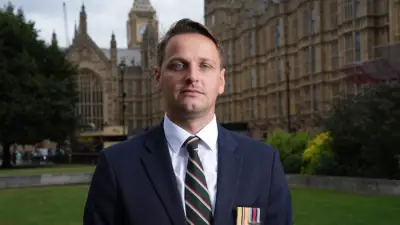
All UK households have been issued a stark warning to "prepare for a world" where the state pension "doesn't exist." The caution comes from Lord Mackinlay, a former MP and member of DWP select committees, who highlighted severe strains on the welfare system in a recent newspaper article.
Current State Pension Framework Under Pressure
The Department for Work and Pensions currently administers state pension payments to approximately 13 million retirees across the United Kingdom. The state pension age is currently set at 66, with a scheduled increase to 67 underway. Payments are distributed at two primary rates: the Basic state pension for individuals born before specific dates (1953 for women, 1951 for men) and the New state pension introduced in 2016.
However, Lord Mackinlay, a chartered accountant and tax adviser who previously served as MP for South Thanet, argues this system may not be sustainable long-term. He pointed to alarming demographic shifts and financial imbalances as primary concerns.

Demographic and Financial Challenges Mounting
"Our welfare system is straining under the weight of a population it was never designed to support," Lord Mackinlay stated. He provided detailed projections showing the number of retirees is forecast to grow significantly, reaching 14 percent of the UK population by 2032. This equates to approximately 13.7 million pensioners, coinciding with a reduction in the number of children.
The financial picture appears equally concerning. Income tax receipts of £331 billion are now outweighed by welfare spending of £333 billion. "The situation worsens in the new fiscal year as billions more is paid out on the reversal of the two-child benefit cap and usual inflationary uprating," Lord Mackinlay explained.
Triple Lock Commitment Amid Sustainability Questions
This warning emerges even as the Triple Lock mechanism increases the new state pension rate by £575 annually. The Labour Party has pledged to maintain this metric, originally introduced by the Conservative-Liberal Democrat coalition government in 2010 and implemented the following year.
Yet, Lord Mackinlay questions whether such commitments are financially viable given the underlying pressures. "With the state pension age starting another period of extension from 66 to 67 from this month, younger workers should be wondering if a state pension will be possible upon their retirement decades hence," he cautioned.
Call for Proactive Retirement Planning
The central message from Lord Mackinlay's analysis is clear: younger generations must take personal responsibility for their retirement security. "Young people need to prepare for a world where the state pension doesn’t exist," he urged, emphasizing that reliance on government support may become increasingly precarious.
This directive comes at a critical juncture, as millions of UK households navigate economic uncertainty and plan for their financial futures. The debate over pension sustainability is likely to intensify as demographic trends continue to evolve and welfare expenditures face ongoing scrutiny.