The Chancellor of the Exchequer, Rachel Reeves, is facing mounting pressure to abandon planned tax increases on alcoholic drinks that threaten to push prices higher for consumers and businesses alike.
Industry Sounds Alarm Over Duty Hikes
The Wine and Spirit Trade Association (WSTA) has issued a direct appeal to the Labour Party Chancellor, warning that implementing an anticipated 4.5 per cent duty increase linked to the Retail Price Index (RPI) would trigger significant price rises across wines and spirits.
Miles Beale, the Chief Executive of the WSTA, stated that the government should stop pouring away Treasury funds and scrap these crippling duty hikes. He argued that rather than generating more revenue, the tax increase is paradoxically reducing the tax take while fuelling inflation.
The Financial Impact on Consumers
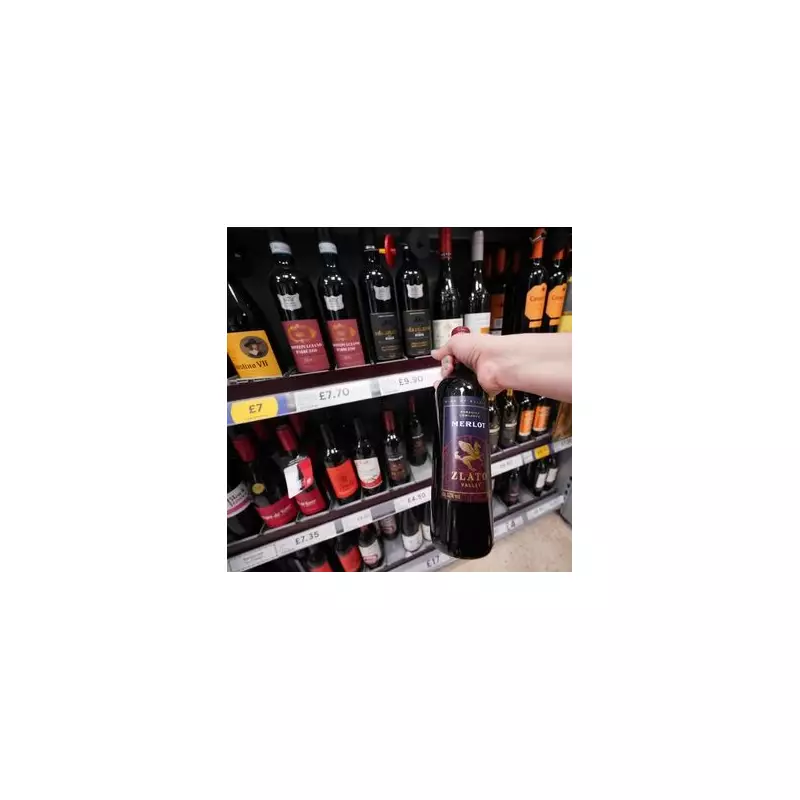
The combined effect of these measures, when added to VAT, means that nearly £1 will have been added to the cost of a typical bottle of wine (14.5% ABV) or a bottle of gin (37.5% ABV) in the period between January 2025 and the projected implementation date in February 2026.
Beale highlighted that this price rise comes alongside other financial pressures, including National Insurance and minimum wage hikes, as well as reduced business rates relief. He described further tax rises as the final nail in the coffin for many businesses already struggling to stay afloat.
Hospitality Sector Warns of Wider Consequences
Angus Lilley, Managing Director at Treasury Wine Estates, echoed these concerns, emphasising the pressure on the UK hospitality sector. He warned that higher costs would lead to tougher choices for local pubs, more expensive menu prices, and less money flowing through the sector that keeps towns and cities vibrant.
Lilley urged the Chancellor to choose stability in the upcoming November Budget by freezing alcohol duty. He stressed that this would support a plan that keeps prices fair, sustains employment, and encourages long-term industry growth.
The industry's unified message is clear: the only way to break the cycle of tax increases penalising consumers and depleting Treasury funds is to freeze excise duty on wines and spirits. Failure to do so risks making the hospitality sector less accessible and affordable for consumers already grappling with the rising cost of living.