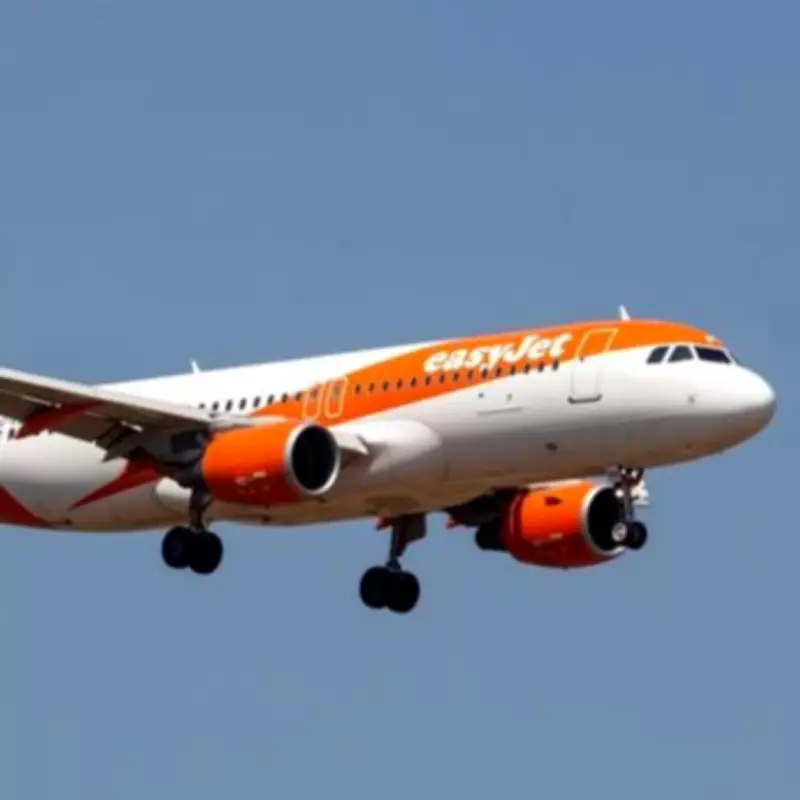
EasyJet has moved to allay concerns that a jet fuel crisis stemming from the Middle East will undermine its low-cost business model, insisting it has kept fare increases to a minimum despite the carrier's losses swelling to more than half a billion pounds.
The London-listed airline told shareholders it was "not seeing any disruption" to jet fuel supply, despite the government recently softening sanctions on Russian oil in an effort to secure supplies in the months ahead.
Passengers were continuing to book summer getaways, the airline noted, though with less lead time than in previous years owing to the uncertainty generated by the conflict.
Forward bookings for the six months to April were down two per cent year-on-year, leaving the carrier with "lower than normal visibility" over its long-term revenues, with overall summer bookings also trailing last year's figures.
Kenton Jarvis, chief executive of EasyJet, said: "Despite conflict in the Middle East creating near-term uncertainty, EasyJet is well placed to manage the current environment, supported by one of the strongest investment-grade balance sheets in European aviation."
Losses at the airline, whose share price has fallen by more than a quarter since the outbreak of the Iran war, widened from £394m to £552m in line with analyst forecasts, despite a rise in passenger numbers and 22 per cent growth in its holidays division.
The readily available supply of jet fuel, commonly referred to as kerosene, has been one of the more significant knock-on effects of the conflict in the Middle East.
Numerous airlines have cautioned that ticket prices will need to increase as a consequence of refined petroleum product costs more than doubling since the outbreak of the war, despite several carriers having strict hedging policies in place.
The hedging strategy means that many of Britain's principal airlines have secured a ready supply of fuel at pre-crisis rates that will carry them through the summer unscathed, yet most are bracing themselves for a sharp squeeze once those contracts come to an end in the months ahead.
Ryanair chief Michael O'Leary said last week that he "wouldn't be surprised" if carriers especially exposed to the conflict go bust later this year, and was "confident" Ryanair would shoulder the fallout without resorting to many price rises.
On Wednesday, the government eased its sanctions on Russian oil refined in third-party countries in a bid to help relieve the pressure that the closure of the Strait of Hormuz has placed on supply.