Midlands Hotelier Warns 'Every Pound Matters' as Tourist Tax Debate Heats Up
A prominent Midlands hotelier has issued a stark warning about the potential negative impact of a proposed tourism tax, highlighting how "every pound matters" for the region's leisure industry. The warning comes as Solihull Council debates the merits of a visitor levy that could affect the borough's £1 billion visitor economy.
Budget Proposal Sparks Regional Concern
The tourism levy was first announced by Chancellor Rachel Reeves in the November Budget and is currently subject to a national consultation running until next month. The proposal would grant mayors across the country the power to charge visitors for overnight stays in hotels, holiday accommodation, and bed and breakfast establishments within their areas.
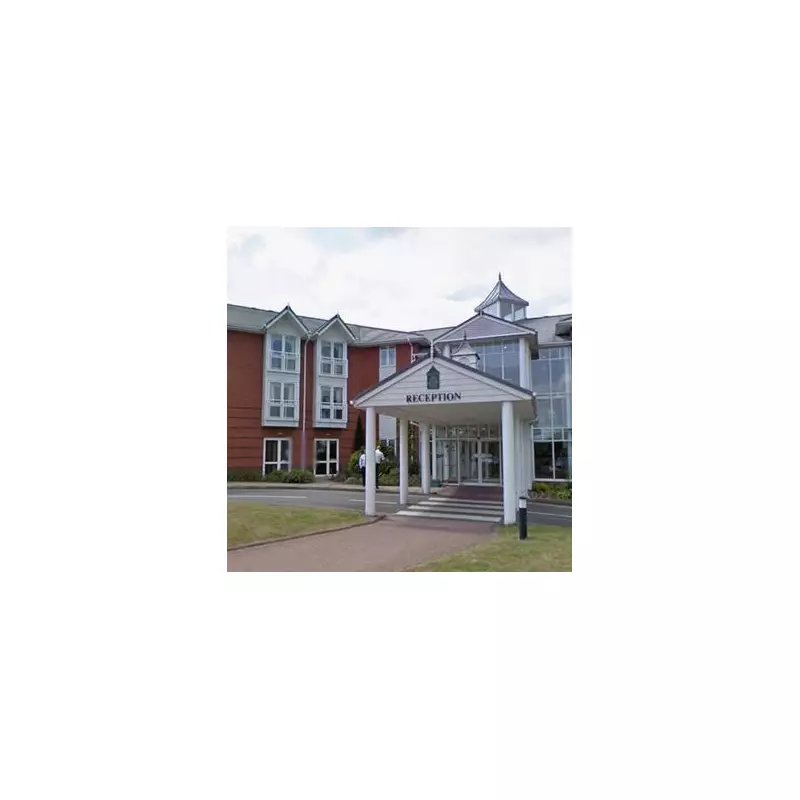
Roy Nash, from the Arden Hotel located near Birmingham Airport and the NEC, expressed serious concerns about the practical implications. "We believe the levy sounds good in principle but in practice we think it will negatively affect us and other hotels in the area," he stated. "Because of the current climate even a pound here or there can affect our average room rate substantially."
Council Debate Reveals Deep Divisions
The issue came before Solihull Council's economic development, managed growth and skills scrutiny board on Monday 19 January, where Liberal Democrat Councillor Laura McCarthy had submitted a motion urging the authority to acknowledge that a "modest visitor levy would provide a fair and sustainable source of income."
Councillor McCarthy argued: "One of the biggest things we are facing is the financial strain the council is experiencing – a visitor levy would offer an opportunity to capitalise on visitors and to use some of that money to improve facilities used everyday by our residents." She emphasised the need to ringfence any funding specifically for Solihull's benefit.
However, Conservative councillors voiced strong opposition. Councillor Edward Fitter remarked: "I think the motion was probably well intentioned but ultimately it is a tourist tax. This tax would simply increase the cost for working people and probably end up harming the hospitality sector."
Financial Implications and Regional Concerns
During the meeting, officer Claire Rudge, the authority's group manager for economic growth, revealed that preliminary discussions with the West Midlands Combined Authority had suggested the levy could create an £8 million fund for regional spending.
This revelation sparked further debate about where the money would actually be spent. Councillor Andrew Burrow expressed concern: "I have sat on the combined authority board for years, we aren't going to get our fair share. This will be a tax on Solihull which will be spent elsewhere."
Councillor Alan Feeney added a consumer perspective: "Even if it just a couple of quid there is a point of principle. I could afford to pay but I object to paying it and so I would go elsewhere – I'm sure many others would do the same."
International Comparisons and Local Realities
Councillor Shanin Ashraf offered a contrasting view based on international experience: "I travel to Switzerland, we pay the levy there on any hotel we stay in. The tourist tax is there to finance tourism infrastructure and promote the region. Costs are not passed on to the local people."
Despite these arguments, the board ultimately rejected the motion when it went to a vote, though members did reach agreement on responses to the national consultation. Deputy leader Councillor Ian Courts summarised the prevailing concern: "There are other places out there that will take the visitors we will lose – we must not let that happen."
The debate highlights the complex balancing act between generating additional revenue for local services and protecting a vital sector of the regional economy that, according to previously released data from the West Midlands Growth Company, contributes over £1 billion to Solihull alone.