Scunthorpe Steel Plant Rescue Praised but Costs Could Soar to £1.5bn
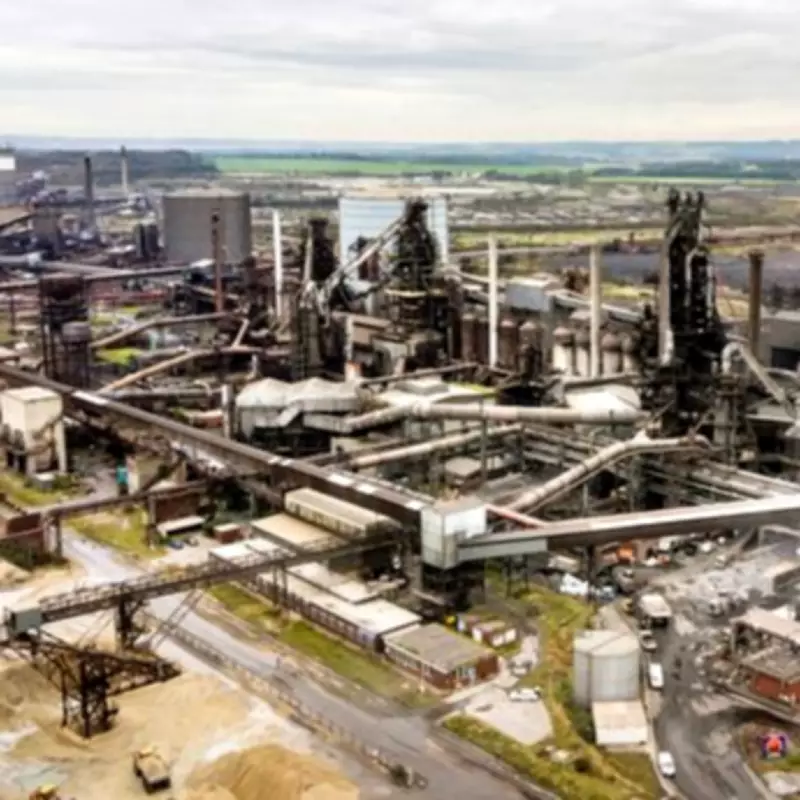
The Government has received praise for its rapid intervention to save the Scunthorpe steelworks from imminent closure, according to a new report from the National Audit Office (NAO). The action prevented significant job losses and averted a potential wider economic shock for the UK's primary steelmaking sector.
Swift Action Prevents Collapse
Last March, Jingye, the owner of British Steel, announced it was losing approximately £700,000 per day due to challenging market conditions, international tariffs, and high environmental costs. The company was actively considering closing the blast furnaces at Scunthorpe.
This closure would have resulted in a large number of job losses at the plant and severely affected key customers in the supply chain, including critical infrastructure projects and major construction firms.
Gareth Davies, head of the NAO, stated: "DBT was able to act quickly to save British Steel's Scunthorpe furnaces from closure, avoiding heavy job losses and serious impacts on major UK infrastructure and construction projects."
Mounting Financial Burden
While the initial deal involved a £377 million package to keep British Steel operating, the NAO report reveals that the total cost is projected to rise dramatically. The rescue package could ultimately cost taxpayers up to £1.5 billion by 2028.
In addition to the core £377 million, the Government spent £15 million on advisory fees and provided a further £359 million to the company for essential operating activities. These funds covered critical expenses such as raw materials, payroll, and other day-to-day operational costs.
The report highlights that ongoing operations at the plant are currently costing around £1.3 million per day, creating a substantial and continuing financial commitment for the public purse.
Lack of Clear Strategy
A significant concern raised by the NAO is the absence of a definitive exit strategy. The report notes that Ministers entered the deal "without a clear exit strategy," leading to uncertainty about how long the financial support will need to continue.
Discussions between Jingye and the Department of Business and Trade (DBT) regarding a transition to more modern electric arc furnaces took place between 2022 and 2025. However, these talks failed to produce a final agreement, leaving the long-term future of the site unresolved.
Gareth Davies added: "However, the trade-off is the significant cost of maintaining operations, and uncertainty over how long this will continue. DBT should learn from this experience to be better prepared for future interventions."
Union and Political Support
The intervention has garnered support from trade unions representing steelworkers. Alasdair McDiarmid, assistant general secretary of the Community union, said: "The Labour Government took decisive action to secure the blast furnaces at Scunthorpe, saving thousands of jobs in the process. Following years of neglect, Labour are investing to protect our steelmaking capabilities and to start rebuilding our strategically important industry."
McDiarmid emphasized the potential consequences of inaction, arguing that allowing British Steel to collapse would have led to catastrophic financial and social impacts. He stated that local economies would have been decimated, national security would have been compromised, and there would have been a massive, long-term increase in welfare costs.
The report ultimately presents a complex picture: a necessary and praised rescue mission that secured jobs and industrial capacity, but one that comes with a steep and growing price tag and an uncertain future path for the historic steel plant.