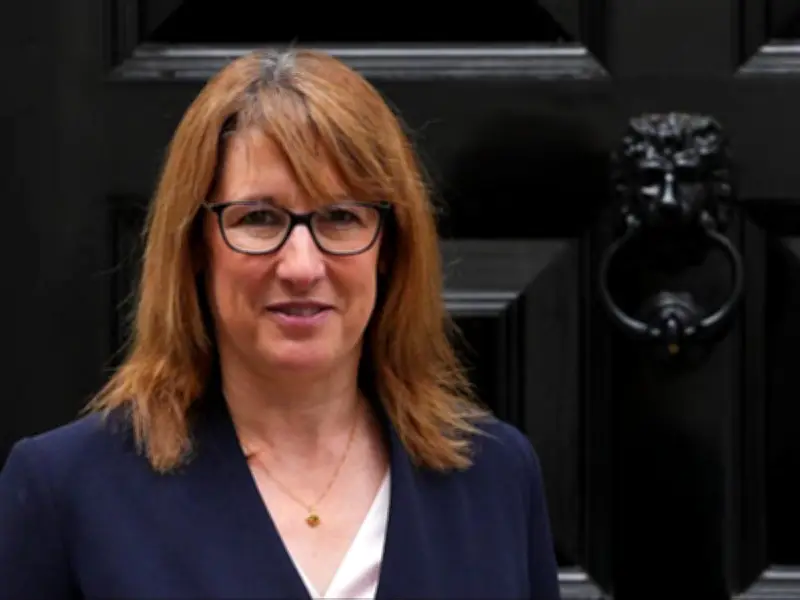
Rachel Reeves has been warned that her planned overhaul of ISAs could backfire, with financial firms cautioning that the new £12,000 rule risks creating confusion and discouraging long-term investment. The Labour Party Chancellor’s reforms have descended into chaos as the City warns millions could stop investing.
Changes to Cash ISA Allowance
From April 2027, the annual cash ISA allowance is planned to be cut from £20,000 to £12,000. The remaining £8,000 of the overall ISA allowance could still be used within other ISA types, including a Stocks and Shares ISA, Lifetime ISA or Innovative Finance ISA, subject to normal rules. The change will apply only to those under 65.
There are over 14 million British savers who hold a cash ISA and no other type of ISA. Many of them are almost certainly not making the most of their money over the long term.
Industry Reactions
Alex Campbell of Freetrade described the 22 per cent charge on interest as "a solution looking for a problem". He added: "The Government is micromanaging personal risk tolerance. The only victim will be the British public’s willingness and ability to build long-term wealth."
Brian Byrnes, director of personal finance at Moneybox, warned the tightening regulations create "a real risk of creating friction for millions of savers to solve a problem we don't fully understand".
Michael Healy, UK managing director at IG, argued the restrictions should "explicitly exclude sovereign debt instruments such as gilts and Treasury bills, which are productive investments rather than idle cash holdings".
Political Criticism
Conservative Party Shadow Chancellor Sir Mel Stride called on Ms Reeves to abandon what he described as her "flawed plan". He said: "This change is meant to be coming in next April, but the rules still haven't been finalised, leaving people in the dark."
Impact on Savers
Castlegate warned: "The savers most likely to be caught in the middle of all this are: those who have 'graduated' from cash ISAs into investment ISAs AND those who use lower-risk assets like Treasury bills or money market funds as a buffer (a way of managing their exposure to markets without abandoning them entirely).
"These are not people playing the system. They are people doing something that any sensible financial planner would recognise as prudent: matching the risk level of different pots of money to their purpose and time horizon.
"It is not a loophole to hold some cash within a portfolio to respond to market movements, to de-risk as retirement approaches or simply to maintain liquidity. It is good practice. If those options are restricted, taxed or simply made so complicated that investors give up, the result is not more confident investors. It is more disengaged savers."