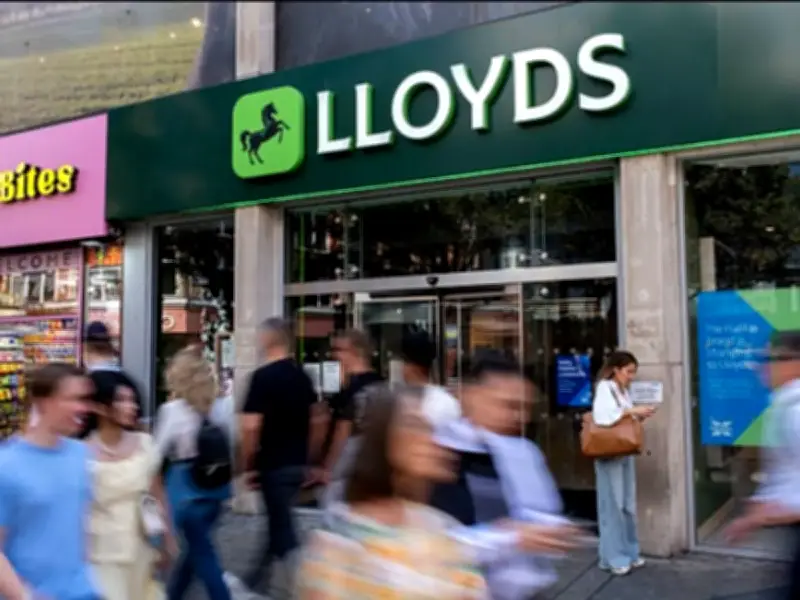
Lloyds Bank has issued a £685 warning to households as the average UK house price edged down in August. The bank, which operates branches in Birmingham, confirmed that the average property now costs £298,468, compared with £299,153 in July – a difference of £685. This marks the first annual fall in house prices since November 2023.
House prices fall for second consecutive month
House prices decreased by 0.2 per cent in August, following a 0.1 per cent decline in July. Despite the monthly drops, prices remain marginally up by 0.2 per cent since the start of the year. The figures come from Lloyds Bank's latest house price index, which tracks the UK market.
Jeremy Leaf, an estate agent in north London, said the slowdown reflected a “standoff” between nervous buyers and sellers who believe they have already reduced their prices as much as they can. He noted that “there is more movement when sellers set realistic asking prices from the outset and appreciate after a period of marketing that even a cheeky offer is worth considering.”

Market activity picking up after holiday season
Leaf added: “Activity is picking up now that the main holiday season is over, which is helping to improve confidence a little.” His comments suggest that the market may see increased transactions in the coming months as buyers and sellers return from summer breaks.
Andrew Asaam, Mortgages Director at Lloyds, which has branches in Birmingham, said: “UK house prices fell slightly in August, down -0.2% over the month following a similar decline in July. The average property now costs £298,468, marking the first annual fall in house prices since November 2023. Despite that, prices are still marginally up (+0.2%) since the start of the year.”
Economic uncertainty and mortgage rates weigh on market
Asaam explained that “the housing market has faced a more difficult backdrop in recent months, with the impact of global events on inflation and borrowing costs creating greater economic uncertainty.” He noted that homeowners are not rushing to cut prices, with many choosing to sit tight. Sellers are reluctant to accept offers they feel are too low, while some buyers are waiting to see how conditions develop.
As a result, fewer homes are changing hands. Latest industry figures show mortgage approvals at their lowest level since the start of 2024. Asaam emphasised the importance of keeping recent price movements in perspective, noting that average house prices remain around 25 per cent higher than they were at the end of 2019, despite the substantial increase to interest rates seen over recent years.
Wage growth supports gradual market adjustment
“The market's adjustment to higher borrowing costs has been gradual, with wage growth helping to offset some of the pressure on affordability. The recent modest declines in prices are best viewed in that wider context,” Asaam said. He added that Lloyds expects the market to remain “fairly subdued” in the months ahead, but this will likely only have a limited impact on house prices.
“While affordability remains a challenge, wages continue to grow and employment has held up better than many anticipated. This will help to support demand from those who need or want to move,” he said.
Analysts see market under pressure from multiple directions
RBC Capital Markets analyst Anthony Codling said the Lloyds figures paint “a picture of a market under meaningful pressure from multiple directions: elevated mortgage rates, geopolitical uncertainty pushing up energy prices, and a consumer that is both cautious and increasingly stretched.”
“Sellers are not panicking and cutting prices aggressively; they are simply sitting tight. Buyers, meanwhile, are waiting for clarity on the path of interest rates,” Codling added. The subdued market conditions are expected to persist in the near term, with affordability and interest rate expectations shaping buyer and seller behaviour across the UK, including in Birmingham and the wider West Midlands region.