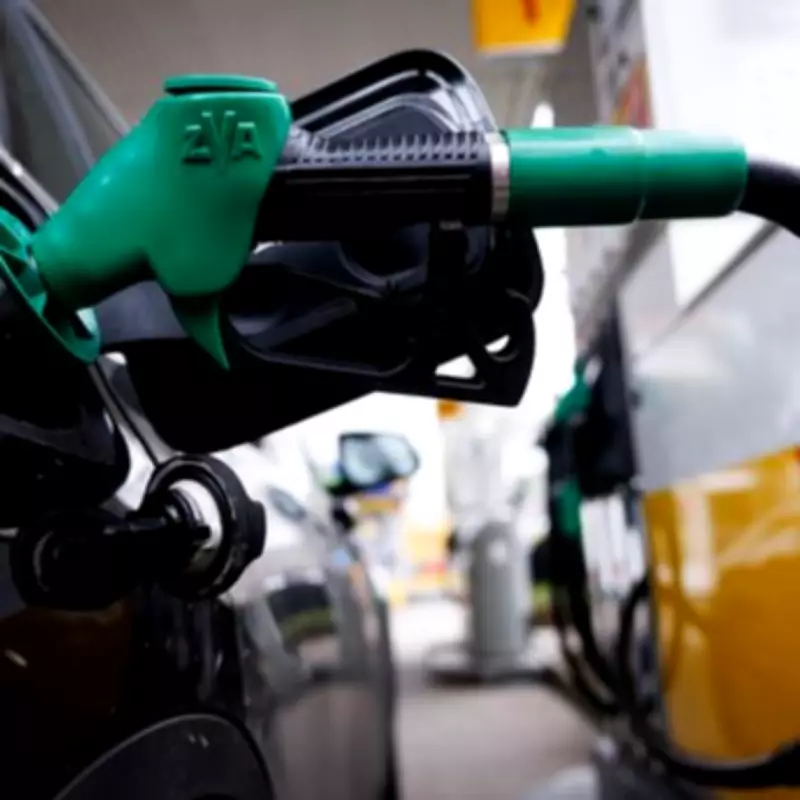
The Department for Energy Security and Net Zero has stated it can "neither confirm nor deny" whether secret briefings regarding the rise in fuel prices have taken place. This evasive response, typically reserved for national security matters, has raised concerns about potential panic buying among motorists.
Freedom of Information Request
The Press Association submitted a freedom of information request, but the department argued that acknowledging the existence of such briefings could lead to "mass purchasing" at fuel pumps. In a statement, the department explained that confirming or denying the information would cause instability and economic damage, as UK petrol and diesel prices are highly sensitive to any factors affecting retail fuel costs.
"Confirming or denying that information is held relating to factors affecting fuel prices would cause widespread concerns over security of supply and lead to the mass purchasing of fuel, further distorting fuel prices and putting strain on fuel supply chains," the department said. It added that such disclosure could also impact internationally traded crude oil prices, causing volatility in UK financial markets and affecting inflation.
The department noted that the requested information, if held, would relate to policy formulation regarding the Middle East conflict and its effect on global oil and UK retail fuel prices, with ministers actively considering options.
Current Fuel Prices
According to RAC data, drivers are currently paying an average of 157.71p per litre for petrol and 190.62p for diesel. Fuel costs are rising by approximately 0.7p per day for petrol and 1.2p per day for diesel. Steve Gooding, director of the RAC Foundation, warned that motorists continue to pay a "war premium" for fuel.
"The Exchequer continues to receive tens of millions of pounds from drivers in a VAT windfall it wasn't expecting. Even if the price of oil begins a sustained drop, it has got a long way to go before reaching the $70 a barrel mark, which was the level just before the conflict started," Mr Gooding said.