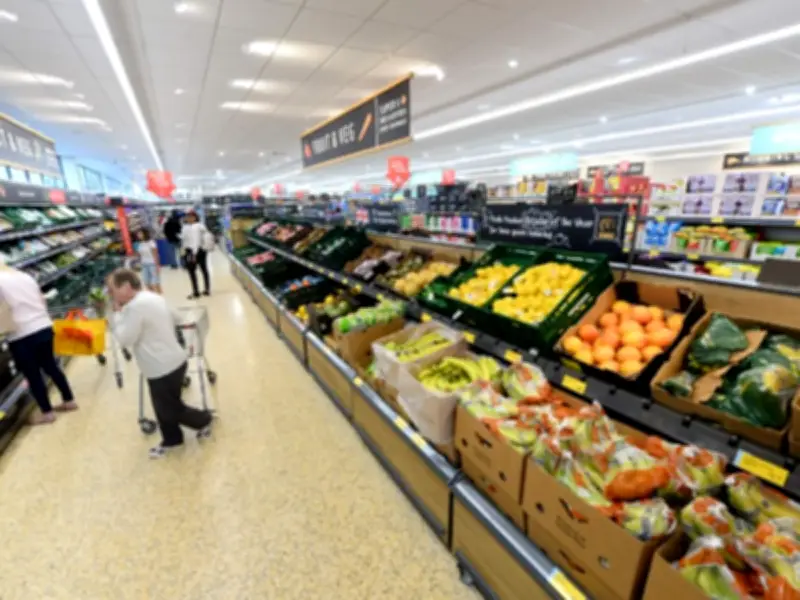
Ten years after the UK voted to leave the European Union, the Brexit vote continues to make life more difficult and costly at the supermarket, according to experts. New restrictions on food imports have seen shoppers hit with 12 per cent food price hikes, with researchers from the London School of Economics estimating that between 2019 and 2023 the price rises cost the average family £400.
Impact on Households
The cost of food has been a key driver of inflation since the Brexit vote, with the UK experiencing higher food price rises compared to other developed economies. The 12 per cent increase has particularly affected low-income households, who spend a larger proportion of their income on food.
New EU Deal to Cut Red Tape
A 2025 deal with the EU aims to help make food cheaper, the Labour Party government hopes, saying it will slash red tape, open up access to the EU market and add nearly £9 billion to the UK economy by 2040. The deal will mean no more paperwork or physical checks on dairy, fish, cheese, eggs and fresh red meat from the summer of 2027 for both British exporters to the EU and EU exporters to the UK.

Government and Business Reactions
Biosecurity minister Sue Hayman said the deal was “great news for British food and drink businesses of all sizes”, including the estimated 16,000 companies that stopped exporting to the EU after Brexit because of excessive bureaucracy. She added: “By cutting unnecessary delays and paperwork at the border, the agreement will make it easier for businesses to sell our world-class produce to European customers, support jobs and help ease pressure on food prices for families.”
Minister for European Union Relations and lead Government negotiator Nick Thomas-Symonds said: "Today is a historic day, marking the opening of a new chapter in our relationship with the EU that delivers for working people across the UK. Since the start of these negotiations, we have worked for a deal to make the British people safer, more secure and more prosperous. Our new UK-EU Strategic Partnership achieves all three objectives. It delivers on jobs, bills and borders. Today is a day of delivery. Britain is back on the world stage with a Government in the service of working people."
Long-Term Economic Effects
Experts warn that while the new deal may ease some pressures, the long-term economic impact of Brexit continues to weigh on households. The £9 billion boost by 2040 is seen as a partial recovery, but the cumulative cost to families from higher food prices since the vote has been significant. The government hopes the deal will restore some of the lost trade and reduce bureaucratic burdens that have hampered small businesses.