Pump Anxiety Overtakes Range Anxiety as Key Concern
The latest AA UK EV Readiness Index has identified a shift in driver concerns, with 'pump anxiety' replacing 'range anxiety' as the primary worry for motorists. Soaring fuel prices are pushing millions of petrol and diesel drivers to consider giving up their cars entirely.
The EV Readiness Rating has climbed to 58.8, up from 53.8 in the first quarter of 2026, reflecting growing confidence in both public and home charging infrastructure. This increase is largely driven by the widening cost gap between petrol and electric vehicle (EV) charging.
Cost Savings Favor Electric Vehicles
Running costs for petrol and diesel cars have risen dramatically, while EVs now offer a 67% reduction in cost per mile compared to petrol equivalents, up from 57% cheaper in Q1. This translates to a minimum saving of £20 for every 200 miles driven for home-charging EV owners.

Edmund King, AA President, highlighted that 'pump anxiety' has become a greater concern than charging an EV. He stated: 'For years, some drivers have been put off EVs by real or perceived range anxiety. But this latest Index suggests the bigger concern for many households is becoming pump anxiety. When global fuel prices rise sharply, drivers feel it immediately at the forecourt. EV drivers, particularly those with access to home charging, have been better insulated from that volatility.'
Petrol Prices Spike
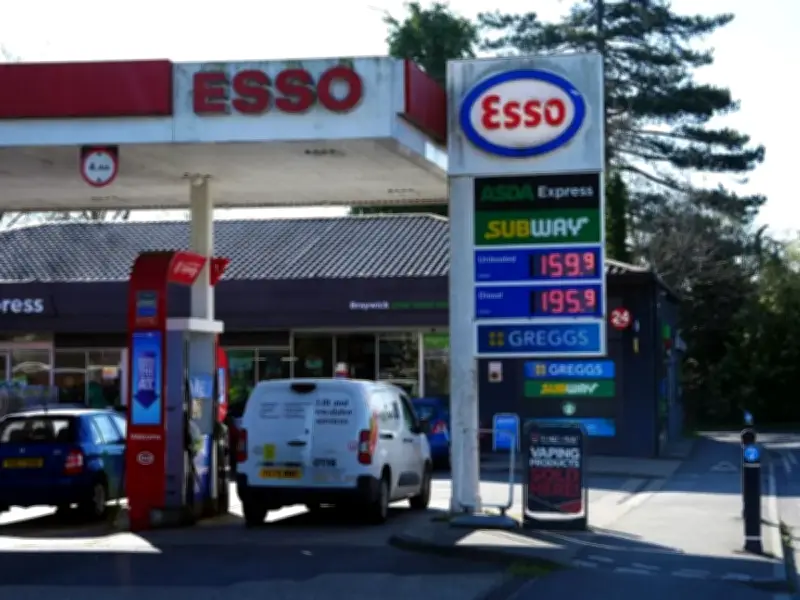
At the end of May 2026, petrol prices reached 159.6p per litre, almost 20% higher than in the previous quarter’s Index. This surge has accelerated the shift in driver sentiment, with many now viewing EVs as a more economical choice.
King added: 'Government has helped with the electric car grants and some manufacturers, such as Renault and Hyundai, have changed production to attract higher grants. However, fears about the proposed e-VED pay per mile from 2028 are still putting off some drivers.'