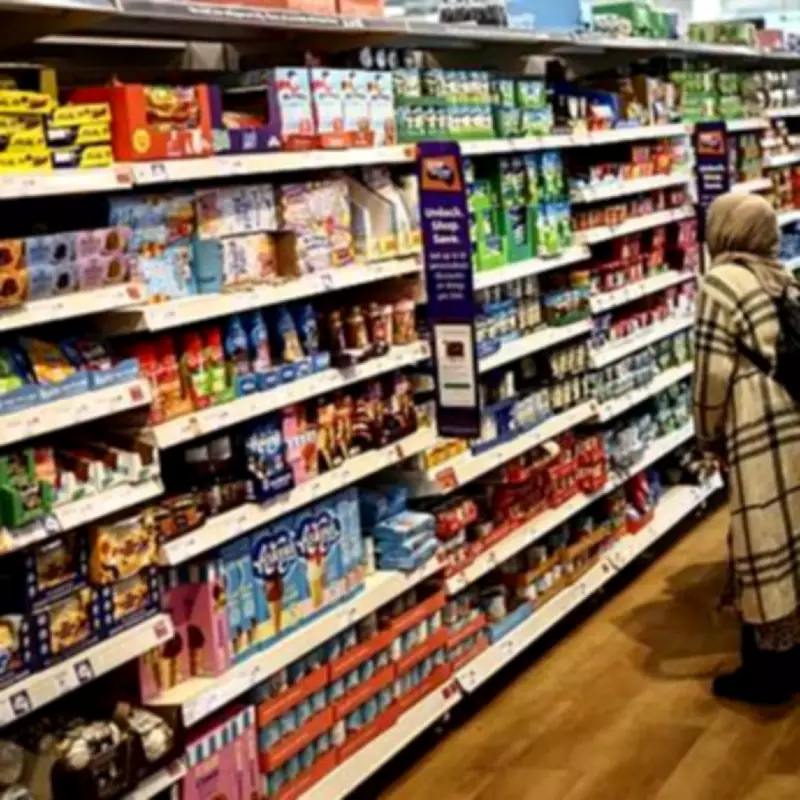
Four in five Britons are worried that the conflict in the Middle East will make food more expensive, as UK retailers warn the Labour Party government is "running out of time to cut costs." The British Retail Consortium (BRC) has called on the government to implement four key rule changes to help supermarkets cope with rising pressures.
Four Rule Changes Proposed
The BRC is urging the government to ease the burden on businesses by addressing higher national insurance contributions, packaging levies, new regulations, and business energy charges. These measures, according to the BRC, would help retailers keep prices affordable for households.
Impact of the Middle East Conflict
A survey conducted for the BRC found that 80% of people fear the Middle East conflict will push up food prices. Additionally, 73% expect the conflict to raise the price of non-food products, while 81% are worried about rising energy bills, 76% about petrol and diesel costs, and 68% about tax increases.

Retailers are already absorbing significant additional costs from the conflict, including rising energy and shipping expenses, which have knock-on effects for fertiliser, manufacturing, and logistics.
Domestic Policy Decisions
BRC chief executive Helen Dickinson emphasized that not all pressures on retailers stem from the Gulf conflict. Higher national insurance, packaging levies, new regulations, and business energy charges are domestic policy decisions made in Westminster that can be addressed there.
"Such action by government would help retailers to keep prices affordable for households," Dickinson said. She noted that other governments, such as Germany, have already reduced electricity costs for businesses by moving levies off bills, and EU leaders are actively discussing similar responses to the crisis.
"The UK should be moving in the same direction, not treating global instability as cover for inaction on costs of its own making," she added. "Retailers are working hard to hold prices down, but they cannot do it alone. Every cost government chooses not to address is a cost that will find its way into someone's shopping basket. That is a political choice, and it is one ministers still have time to change – but the window to act is closing."