East Devon District Council is reviewing its street trading policy after a surge in enquiries from home bakers looking to set up 'bake sheds' on their own properties. The council confirmed that most of these ventures currently require street trading consent, but no policy updates have been made yet, leaving many small business owners uncertain about their legal obligations.
What Are Bake Sheds and Why Are They Popular?
Bake sheds are small, often modest structures on residential properties where individuals sell homemade baked goods directly to the public. They have become increasingly popular in recent years as a low-cost way for budding entrepreneurs to start a food business without the overheads of a commercial premises.
The trend has been so significant that it caught the attention of the Institute of Licensing, which held a webinar last month to discuss how councils across the country should handle street trading licences and consents for such operations.
East Devon Council's Current Approach
At a recent licensing meeting, Councillor Joe Whibley (Independent, Exmouth Town), who chairs the committee, highlighted the need for clarity. "I do think the 'whisk takers' need to know where they stand," he said, adding with a pun: "No 'bun' intended."
Phillippa Norsworthy, a licensing manager at the council, confirmed that bake sheds are currently assessed under the existing street trading policy. "This means the majority of bake sheds fall into the category of requiring street trading consent and we are dealing with them on this basis," she explained.
"This means that a street trading consent application must be made and it is treated to the same application criteria as all street trading consents. However, we are currently reviewing our street trading policy."
Fees and Requirements for Applicants
Ms Norsworthy outlined the current fees: "All street trading applications are subject to an initial application fee of £45.00 and an annual consent renewal fee of £45.00."
Applicants in East Devon must also register with the environmental health team and provide a site map, a photograph of the trading unit, a copy of an insurance certificate, evidence of a food hygiene rating, and other formal identity documentation. The planning department is routinely consulted on applications and would contact the applicant directly if any planning concerns arise.
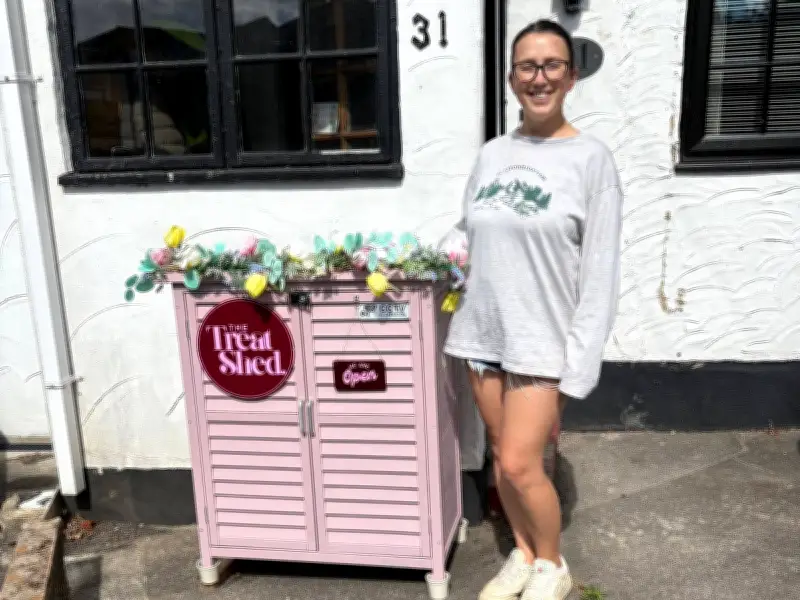
A Baker's Experience: The Treat Shed
Mikaela Bartlett, who runs The Treat Shed in Kingsteignton, launched her venture after seeking a creative outlet during maternity leave with her second child, having previously worked in corporate roles. Although Kingsteignton falls outside East Devon, she has navigated the permissions required by her own local council.
"The Treat Shed officially opened its doors at the end of April, so it's a relatively new venture," she said. "I have a 5 very good food hygiene rating, my kitchen has been inspected – everyone who opens a food business is required to register with the council and have your kitchen inspected as we're selling to the public."
Ms Bartlett added that she also has public liability insurance, business insurance, and has completed food hygiene and allergen awareness courses. Upon speaking to Teignbridge District Council, her local authority, she was informed that a street trading licence was not required in her area.
Inconsistency Across Councils
The Institute of Licensing webinar, attended by an East Devon council officer, indicated that all councils must take into account the Local Government (Miscellaneous Provisions) Act 1982, alongside their own street trading policies and guidance when assessing consents for bake sheds. However, Ms Norsworthy noted that local councils "vary greatly" in their approach.
This inconsistency means that a home baker in one district may need a street trading consent, while a similar operation in a neighbouring area might not. The review aims to address this uncertainty, but until any changes are made, the current rules remain in force.
For now, aspiring 'whisk takers' in East Devon should be prepared to apply for street trading consent and pay the £45 fee, while those elsewhere should check with their local council to understand their specific requirements.