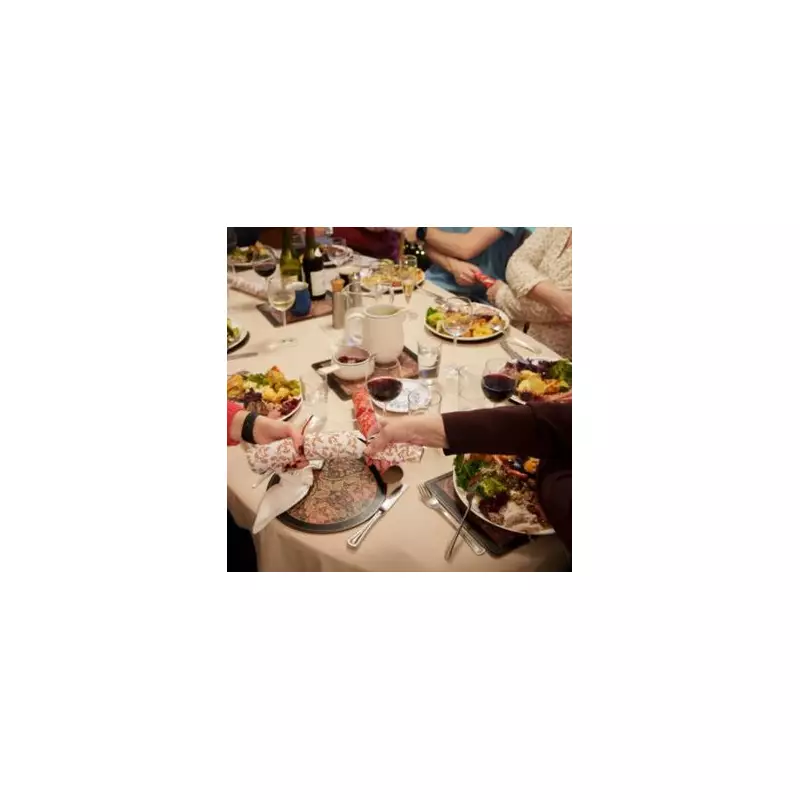
British families could see their traditional Christmas dinner disrupted this year, as a severe outbreak of avian influenza threatens to cause significant shortages of the festive centrepiece: the turkey.
What is causing the turkey shortage?
The UK farming industry is grappling with a devastating wave of bird flu, described by experts as a highly infectious "super strain". Since the start of October, more than 30 cases have been confirmed on farms across the country, leading to widespread culls and disrupting supply chains.
Professor Ian Brown, head of avian virology at the Pirbright Institute, highlighted the severity of the virus, stating it is "incredibly fit, highly infectious, and very well adapted to birds", making it a formidable challenge for farmers.

Impact on supply and prices
The consequences are already being felt throughout the industry. Rachel Dobson, managing director of Lynx Purchasing, which supplies the hospitality sector, warned that the industry is facing an "unusually difficult" Christmas. She confirmed that avian flu has caused shortages of supply from both Europe and South America, which are crucial for meeting the UK's seasonal demand.
This has created immense uncertainty. Some suppliers have been reluctant to commit to turkey pricing or even guarantee supplies at all. Dobson advises hospitality operators to brace for significantly higher turkey prices this year and potential issues with receiving their full orders, including being sent smaller birds or having supplies cancelled entirely.
How are farmers and retailers responding?
Major retailer Sainsbury's has already taken action, publicly confirming it has been forced to reduce its selection of turkey crowns this festive season due to a supply issue.
On the front lines, poultry farmers are taking desperate measures to protect their flocks. Kate Postance of Postance Poultry in Tremain, Ceredigion, has placed her 500 free-range turkeys and 3,000 chickens into "flockdown" to shield them from the disease.
"I'm really worried - if any of our birds contracted it I don't see a way back for us," she told the BBC, expressing a hope for a vaccine while acknowledging the grim reality that farmers may simply have to "hope we don't succumb to it."
With the clock ticking towards December 25th, the situation presents a stark challenge for both the food industry and households across the UK, potentially making the traditional Christmas turkey a scarcer and more expensive commodity this year.