Gloucestershire Mother Embarks on 13.1-Mile Walk for Brain Tumour Charity
A dedicated mother from Gloucestershire is preparing to walk 13.1 miles at the Bath Ultra Challenge this weekend, aiming to give back to the charity that supported her family through her son's brain tumour diagnosis. Heidi Knight, 57, is participating in the event during Brain Tumour Awareness Month to highlight the often "invisible" symptoms of the disease, which in her son's case were initially mistaken for anxiety.
Raising Awareness and Funds for a Critical Cause
Heidi's challenge on Saturday, March 28, is part of a national effort to spotlight brain tumours, a devastating condition affecting thousands of families across the UK. During this month alone, more than 1,000 people will receive a brain tumour diagnosis. Tragically, brain tumours are the leading cause of cancer death in children and adults under 40, underscoring the urgent need for increased awareness and research funding.
Heidi, who previously completed a 50k walk with her son Ollie Knight and his fiancée Laura, raising £2,000, views this year's event as both a gesture of gratitude and a platform for education. "Watching your child go through brain surgery and cancer treatment is something no parent should ever have to experience," Heidi said. "Walking the Bath Ultra Challenge during Brain Tumour Awareness Month is my way of turning something so frightening into something positive. We need more funding, more research and more hope for families like ours."
Ollie's Journey: From Misdiagnosis to Recovery
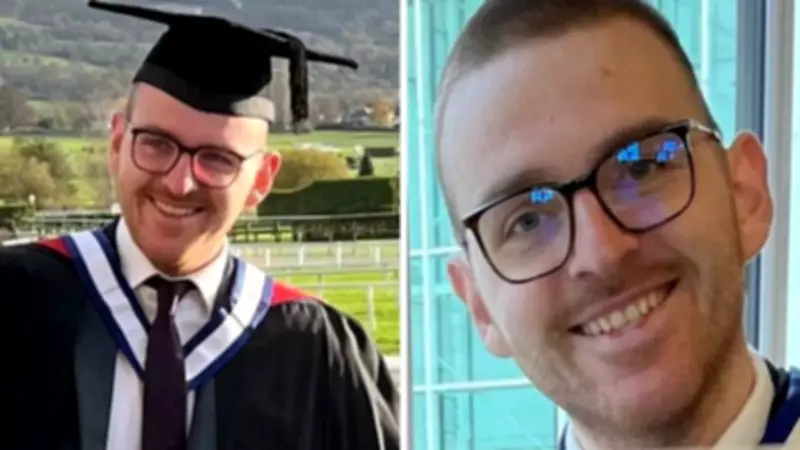
Ollie was 24 in 2020, living in St Albans and working as a consultant in London, when he began experiencing subtle symptoms such as vision problems and dizziness. Initially, these signs were dismissed as stress or exhaustion, with doctors attributing them to anxiety during COVID-19 lockdowns. After being referred for cognitive behavioural therapy, Ollie was later rushed to hospital with suspected stroke symptoms.
A CT scan at Luton and Dunstable Hospital revealed a brain tumour the size of a satsuma. Ollie was transferred to the National Hospital for Neurology and Neurosurgery in London, where he underwent a six-hour awake craniotomy. Surgeons successfully removed 80% of the tumour, and he was later diagnosed with an astrocytoma, undergoing radiotherapy and chemotherapy.
"I thought Ollie might die during surgery or be severely impacted for life," Heidi recalled. "His story is one of hope. He is still living with a brain tumour, but it doesn’t mean it’s the end. You can still live a full and meaningful life. I would say to anyone receiving a diagnosis: trust your doctors, trust the process, and try to stay hopeful."
Overcoming Setbacks and Achieving Milestones
Despite further seizures and setbacks, including temporarily losing his driving licence, Ollie has shown remarkable resilience. He completed a master’s degree in Sports Performance Analysis at the University of Gloucestershire, achieving the highest grade in the university that year. Now working for English Heritage, Ollie is seizure-free and preparing to marry his fiancée, Laura, in June.
Charity's Mission and Call for Support
Letty Greenfield, community fundraising manager at Brain Tumour Research, expressed gratitude for Heidi's efforts. "We are incredibly grateful to Heidi for taking on the Bath Ultra Challenge during Brain Tumour Awareness Month. Stories like Ollie’s remind us why our work is so vital. Brain tumours remain underfunded compared to other cancers, yet they devastate so many families. Supporters like Heidi are helping us to give hope to everyone affected by this disease."
Brain Tumour Research funds sustainable research at dedicated centres in the UK and campaigns for increased investment from the government and larger cancer charities. The charity advocates for a national annual spend of £35 million to improve survival rates and patient outcomes, aligning with progress seen in cancers like breast cancer and leukaemia.
Heidi's walk not only honours her son's bravery but also contributes to a larger movement for change, emphasizing the importance of community support and medical advancement in the fight against brain tumours.