Lincolnshire Teacher Embarks on London Marathon Challenge for Partner's Brain Tumour Journey
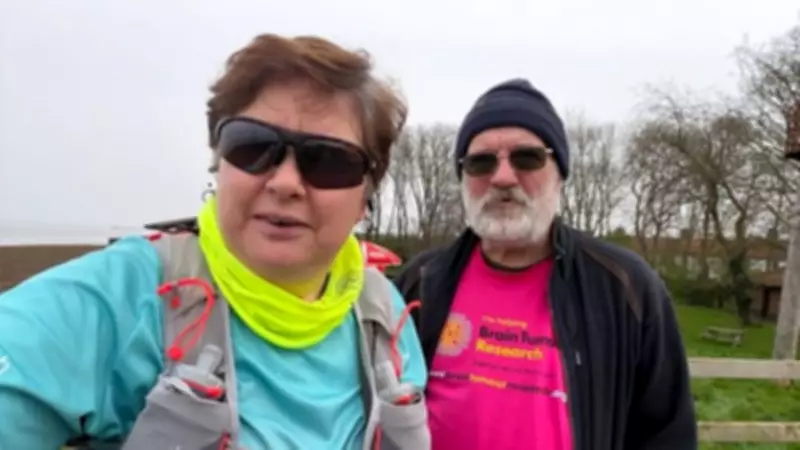
Sally Harley, a 49-year-old teacher from Ulceby in Lincolnshire, is preparing to run the iconic London Marathon to celebrate her 50th birthday while championing a crucial cause. Her participation is deeply personal, driven by her partner Bob Hall's life-altering diagnosis of multiple brain tumours in 2024.
A Sudden Diagnosis That Changed Everything
Bob Hall, aged 63, was involved in a car accident in June 2024, which led to an unexpected discovery. A CT scan revealed a suspected brain tumour, with subsequent tests confirming multiple low-grade meningiomas and a vestibular schwannoma on his auditory nerve. One tumour, measuring approximately 5cm, necessitated urgent surgical intervention.
Sally shared her emotional perspective: "Bob and I have been together for 26 years, so to suddenly be faced with something like this was huge. That day in 2024, the last thing we expected was a brain tumour—let alone multiple brain tumours. Nothing Bob was experiencing beforehand gave us any indication of the journey that lay ahead."
She added, "We've been fortunate to travel and take on so many adventures together, but now we have to approach life very differently. Within days of the diagnosis, our whole world had changed. Suddenly we were faced with hospital appointments, scans and decisions we never thought we would have to make."
Navigating Treatment and Setbacks
Bob underwent a craniotomy at Hull Royal Infirmary in August 2024 to remove the largest tumour, which they had nicknamed "Boris." His initial recovery was positive, with him returning home the next day and gradually regaining strength. However, a post-operative seizure in November 2024 required further hospital treatment and medication, marking a significant setback.
"The seizure was a setback we knew could happen, but it was something neither of us wanted to happen," Sally explained. "It felt like going back to square one. The hardest part for Bob has been losing some of his independence—especially not being able to drive or take long or isolated walks with our dog, Dane, as he used to—walking Dane was such an important part of his day."
Further medical investigations led to a diagnosis of NF2 schwannomatosis, a rare genetic condition causing multiple tumours in the nervous system. Bob now requires lifelong monitoring through a 'watch and wait' approach, involving regular MRI scans.
Building a New Normal Amid Uncertainty
Despite the ongoing challenges, Sally and Bob are focused on creating a "new normal" together. Sally highlighted the invisible nature of the illness, stating, "It's an invisible illness, and people often don't realise the impact it has. Bob might look well, but they don't see the fatigue or the strength it takes for him to do everyday things."
She emphasised, "People hear 'low-grade' or 'benign' and assume it's not serious, but that really isn't the case. This is a lifelong condition—Bob lives with tumours in his brain every day, and the impact is real."
In January 2026, they received further difficult news when one of Bob's tumours showed growth, leading to preparations for Gamma Knife radiotherapy, a targeted treatment for brain tumours. They are currently awaiting a date for this procedure.
A Marathon Mission for Awareness and Hope
Determined to channel her energy into a positive challenge, Sally signed up for the London Marathon, a lifelong ambition, to coincide with her milestone 50th birthday. She is running in support of Brain Tumour Research, the only national charity dedicated to finding a cure for all types of brain tumours.
Sally expressed her motivation: "The marathon has always been something I've dreamed of doing. I was meant to run it in 2022 but had to pull out after getting Covid, so this time I can't wait to be on the start line in person, ready to achieve my dream. Running it for my 50th birthday, while supporting Brain Tumour Research, makes it even more meaningful."
She added, "Training has given me focus, routine and a real sense of purpose—it's required resilience and shows others, including the students I teach, that age is no barrier to achieving something big. I'm running because I can—and because Bob is living with something he can't escape. I know there will be tears when I cross the finish line. This started as something I wanted to do for Bob, but it's become so much more than that—it's challenged me in ways I never expected, and I'm incredibly proud of what I've achieved."
Bob shared his pride, saying, "One of the positives from all of this has been supporting Sally through her marathon training and seeing how much she's getting from it. I'm incredibly proud of her."
The Critical Need for Brain Tumour Research
Brain tumours are indiscriminate, affecting individuals of any age and claiming more lives of men under 70 than prostate cancer. Shockingly, only 1% of the national spend on cancer research has been allocated to brain tumours since records began in 2002.
Ashley McWilliams, community development manager at Brain Tumour Research, commented, "Sally's determination to take on the London Marathon while supporting her partner through such a challenging diagnosis is truly inspiring. Her story highlights the reality of living with brain tumours, including those that are often described as benign but can have life-altering consequences. We are incredibly grateful for her support, which is helping to raise awareness and fund vital research into brain tumours."
Brain Tumour Research funds sustainable research at dedicated centres across the UK and campaigns for increased investment from the government and larger cancer charities. The charity advocates for a national annual spend of £35 million to improve survival rates and patient outcomes, aligning with advancements seen in other cancers like breast cancer and leukaemia.
Sally's fundraiser aims to contribute to this vital cause, demonstrating how personal challenges can inspire community action and hope for a future cure.