Birmingham's bin strike has reached day 581, with most residents in the UK's second-largest city still without recycling or garden waste collections since January 6, 2025. The ongoing dispute between Birmingham City Council and Unite the union has left streets piled with rubbish and residents asking whether a resolution will ever come.
Current Status: No End in Sight
As of Sunday, August 9, 2026, the all-out strike over pay and removal of roles continues. Weekly refuse collections have restarted, but recycling and garden waste services remain suspended, a situation that has persisted for over 20 months. A fortnightly recycling and food waste pilot began in North Birmingham, including Erdington, Kingstanding, and Sutton Coldfield, in June 2026, but the rest of the city awaits a full return.
Last month, BirminghamLive reported that a deal was "close" between the council and Unite, with discussions under strict confidentiality. In April, Labour announced a long-awaited deal was near ahead of the May local elections. However, no definite dates for the complete return of suspended services have been confirmed.

Council's Fire Warning Sparks Backlash
The council recently urged residents not to burn garden waste or household rubbish, warning that "small fires can quickly get out of control." The advice, echoed by West Midlands Fire Service, prompted angry responses from the public. One resident posted on X: "Seriously, how about you do your bit and collect the rubbish? You could have easily sorted out this strike if you wanted to." Another branded the council "pitiful," while a third said: "There would be no need for fires, if the council did their job properly."
The council defended its position, stating recycling could only return gradually due to the need for workers and resources under a new collection system. Chris Smiles, head of waste logistics and collections, confirmed recycling would "eventually come back" across Birmingham. Roger Harmer, the new council leader, said: "We will find a deal. We will make a deal. There has to be a deal, and that is number one item on our agenda."
Timeline of Key Events
January 2025: The strike began with intermittent action on January 6, as Unite opposed plans to remove Waste Recycling and Collection Officer (WRCO) roles, citing pay cuts and safety concerns. The council argued the role was outdated and posed equal pay risks.
February 2025: Strikes intensified with hundreds of workers involved, as Unite warned some staff could lose thousands annually.
11 March 2025: All-out indefinite strike began, halting most bin collections.
Late March 2025: The council declared a major incident after around 17,000 tonnes of waste went uncollected, drawing national attention.
April 2025: Workers overwhelmingly rejected a proposed deal, prolonging the dispute.
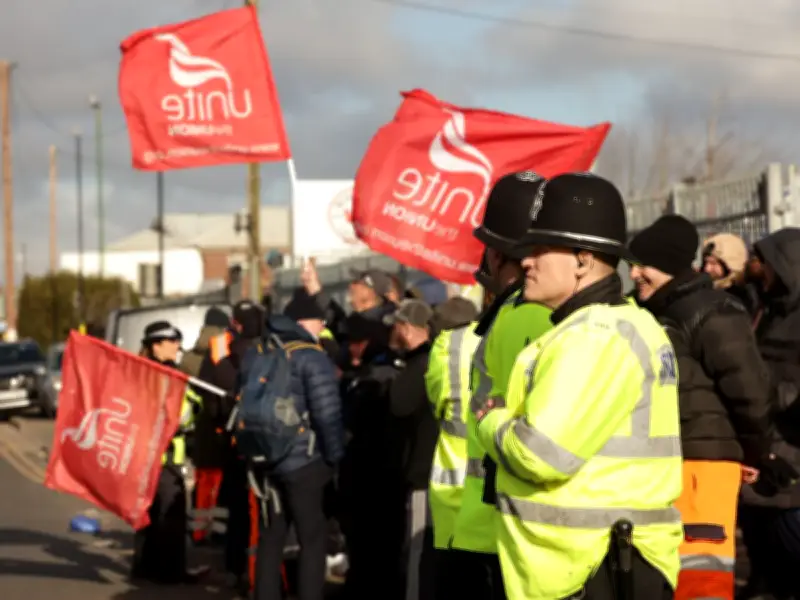
May 2025: "Megapicket" protests held outside depots, with support from other unions and high-profile figures.
July 2025: Unite announced it would review its relationship with the Labour Party, escalating the dispute politically.
October 2025: The strike had cost the council an estimated £14m, with controversy over equal pay calculations.
November 2025: Allegations emerged that agency workers were discouraged from joining picket lines; Unite called for an investigation.
December 2025: Some agency workers voted to join strike action, broadening the dispute.
January 2026: Costs soared past £33 million, highlighting the long-term financial impact.
February 2026: Footage showed a senior council figure removing pro-strike placards, sparking criticism.
April 2026: Labour announced a deal was close ahead of the general election.
May 2026: A new council coalition, including Lib Dems, Greens, and independents, took over with a mandate to end the strike.
June 2026: A food waste collection pilot began in North Birmingham and Sutton Coldfield, with recycling resumed on an alternating fortnightly basis in those areas.

July 2026: Reports suggested a deal was "close," with compensatory payments to affected workers under discussion, but confidentiality remains tight.
Impact on Residents and Services
The strike has led to piles of rubbish in streets, particularly in areas like Balsall Heath, and has sparked safety concerns. The council's fire warning came as wildfires hit Barr Beacon, Perry Hall, and Hay Mills last weekend, with police investigating arson at Sheldon Country Park and Meriden Park. Fire services advise burning only dry, natural materials if necessary, keeping fires small and away from buildings, and never leaving them unattended.
Residents remain frustrated, with many questioning why services they pay for are not being delivered. The financial toll on the council, now exceeding £33 million, underscores the urgency of reaching a resolution. As talks continue behind closed doors, Brummies are left waiting for an answer to their key question: when will the bins be collected again?