Car Cloning Crisis: UK Drivers Paying for Crimes Committed by Others
Drivers across the United Kingdom are being forced to pay for crimes committed by other motorists amid a significant surge in car cloning incidents. This type of vehicle crime, where unscrupulous individuals copy the number plates from legitimate cars, is rapidly becoming one of the fastest-growing criminal activities in the country, yet it remains barely acknowledged or properly recorded by authorities.
Rising Costs Fuel Criminal Activity
Motoring experts point to the substantial increase in car ownership expenses over the past couple of years as a key factor driving this trend. With annual car insurance premiums soaring to around £2,000 and daily charges of £12.50 for driving in London's Ultra Low Emission Zone (Ulez), some drivers are resorting to illegal methods to avoid these financial burdens. By cloning another vehicle's registration plates—typically selecting a car of the same model and colour—criminals can evade detection while shifting responsibility onto innocent owners.
Victims Face Lengthy Legal Battles
Mike Thompson, Chief Operating Officer at Leasing Options, explains that victims often remain unaware of the cloning until they receive unexpected fines or penalty notices for offences they did not commit. "Usually, victims of number plate cloning don't know their number plate has been duplicated until they receive a ticket or fine for an offence that they didn't commit, by which point you must go through the lengthy process of reporting the crime," he states. This process can involve extensive paperwork, police reports, and legal appeals to clear their names.

Experts Warn of Growing Sophistication
Former special forces soldier Billy Billingham, who collaborates with BigWantsYourCar.com to raise awareness about vehicle crime, emphasises that many drivers underestimate their vulnerability. "Car cloning is on the rise, and it's never been easier for criminals to do it," he warns. "Cars are becoming more sophisticated, but so are the people trying to steal them. Many drivers don't realise how exposed they are, especially when selling cars privately or sharing information online." He adds that criminals can exploit even minor details shared in online car listings, making privacy a critical concern.
Political and Industry Concerns
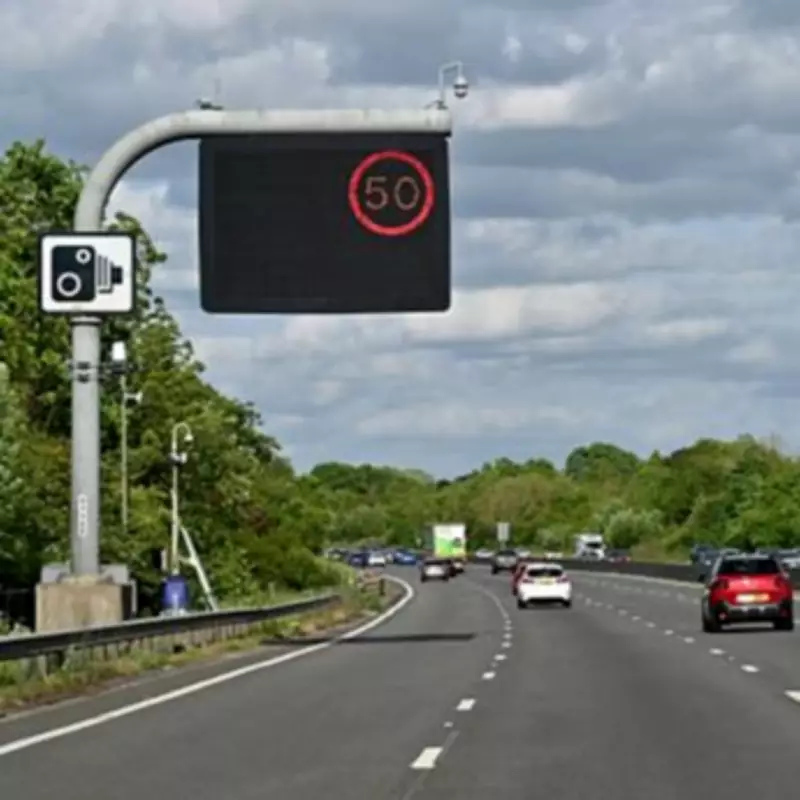
Liberal Democrats MP Al Pinkerton highlights the broader implications for public safety, noting that failures in Automatic Number Plate Recognition (ANPR) systems due to cloning or ghosting represent more than a minor inconvenience. "When Automatic Recognition Number Plate cameras fail or are undermined by cloning or ghosting, that is not a minor inconvenience but a failure of public protection," he asserts. Meanwhile, Paul Barker, managing editor at the sales website Carwow, reports that the number of cloned vehicles on UK roads is "unfortunately increasing," posing severe risks for both buyers and legitimate owners, including financial losses and legal complications.
Awareness as the First Defence
Billy Billingham stresses that education and vigilance are essential in combating this crime. "Awareness is the first line of defence. The more people understand how these scams work, the harder it becomes for criminals to succeed," he advises. As car cloning continues to escalate, drivers are urged to protect their personal information, verify vehicle details carefully, and report any suspicious activity to authorities promptly to mitigate the growing threat.