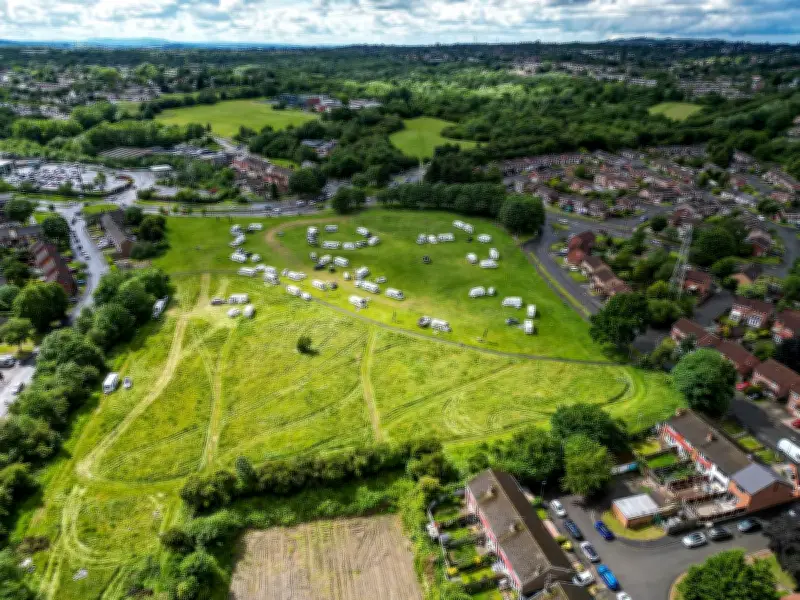
Birmingham City Council has committed to implementing physical security improvements across 32 parks following revelations that unauthorised encampments cost the authority £132,770 between April and June 2026. The council confirmed that direct enforcement and bailiff action totalled £72,770, with an additional £60,000 spent on site clean-ups, waste removal, and repairs to damaged infrastructure.
Security Upgrades Planned for 32 Parks
The council stated: “These measures include strengthened boundary treatments, improved access controls and other site-specific interventions designed to reduce unauthorised vehicle access. Delivery of these improvements will commence in the coming months and represents a significant investment in protecting the parks, reducing recurring enforcement costs, and minimising disruption to local communities.”
The affected parks have been “repeatedly targeted” in recent years, and the council acknowledged that such incidents “disrupt the enjoyment of parks.” It added that it remains committed to “taking firm and proportionate action” while meeting legal obligations.

41 Encampments Recorded in Three Months
Between April 1 and June 30, 2026, there were 41 unauthorised encampments across Birmingham’s parks and green spaces. The council’s ability to direct travellers to permanent transit sites has been hampered by issues at the Proctor Street site, which has suffered repeated damage and vandalism.
Licensing and public protection committee chair Councillor Sam Forsyth said last month: “As we are in the summer, we do always see an increase in unauthorised encampments – and I certainly know the concerns residents have about those. We do have a good team that deal with them and they serve the eviction and legal papers relatively quickly. We’re all aware of the concerns but let us not demonise any section of the community either.”
Negotiated Stopping Pilot Axed
A planned ‘negotiated stopping’ pilot programme, which would have allowed short-term stays on unused land for the travelling community, has been abandoned. The council said it “has not been possible to identify enough suitable sites” despite a surge in unauthorised encampments during 2025/26.
A council spokesperson previously stated that the authority is reviewing its Local Development Plan for Birmingham, which includes a policy to “consider future planning applications for both transit and permanent sites to meet the needs of Gypsies, Travellers and Travelling Showpeople.” The West Midlands Spatial Development Strategy (SDS) will examine wider needs for plots and pitches across the region, with an initial consultation expected in late 2026.
Dedicated Team and Transit Site Reopening
The council has established a dedicated Gypsy and Traveller service team focused on improving engagement and building trust. It is working with partners including West Midlands Police, education services, housing providers, and charities to “improve outcomes for GRT communities.” The Proctor Street transit site has also been reopened to provide a “safe and managed space for those travelling through the city.”
Paul Langford, executive director of City Housing at Birmingham City Council, said: “We’re working closely with communities and partners to better understand needs, challenge misconceptions and build a service we can be proud of. Building trust is key. We’re starting to see positive changes.”