Fewer than one in ten waste enforcement investigations carried out by Dudley Council last year ended with a fixed penalty notice being issued, according to a report prepared for the authority's cabinet meeting on August 13.
The report shows that in the 2025/26 financial year, staff from the Development and Regulation Department conducted 407 investigations, which resulted in just 31 fixed penalty notices. This means only about 7.6% of investigations led to a penalty.
Financial restrictions imposed to bring the council's crisis-hit budget under control meant the team had only five full-time staff, consisting of four enforcement officers and a technical officer. The report, signed by Nick McGurk, Dudley group director of communities and growth, highlighted the strain this placed on the team.

Team Struggles with Wide Remit and High Workload
According to the report, the team has a very wide remit and struggles to meet the expectations of councillors and residents. In recent months, they have been managing a workload of between 150 and 250 active cases, with some enquiries described as complex and protracted.
The report also noted that the recent improvement in the council's financial situation has led to a proposed increase of two enforcement officers. Once in place, this will help support the council's waste enforcement provision.
The team investigates a range of issues, including fly-tipping, waste on private property, hoarding, litter, pest control enforcement, abandoned vehicles, and unlawful waste disposal.
Breakdown of Fixed Penalties Issued
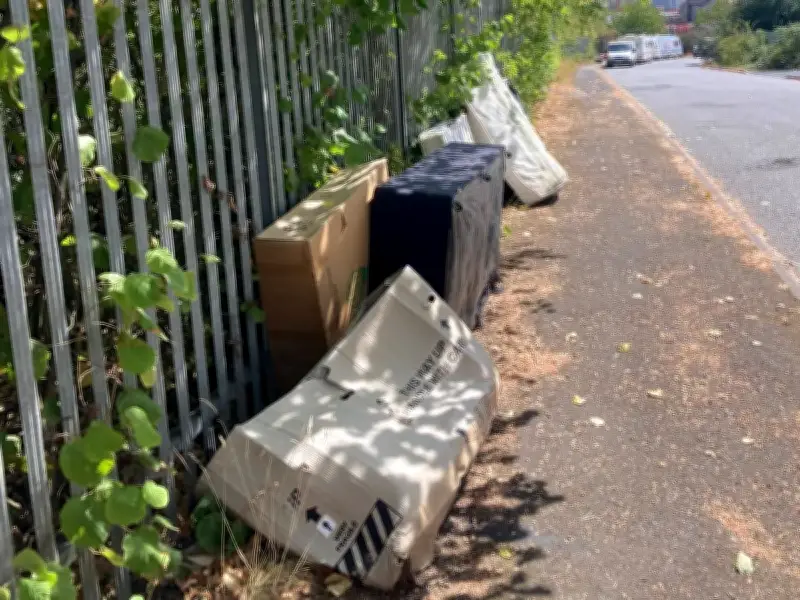
During the period covered by the report, Dudley issued 11 fixed penalties for fly-tipping, nine notices for littering in conjunction with fly-tipping, eight penalties for breaches of household duty of care (which can include occasions where the source of fly-tipped rubbish can be identified), and three for other matters.
Fly-tipping is cleared up by the council's Street Scene team, who in 2025/26 tackled 2,602 incidents. The report added that many more were likely removed, as minor fly-tips are often seen as litter. The majority of fly-tips are removed within 24 hours, with larger fly-tips within five working days.
Street Scene Team Also Affected by Budget Cuts
The Street Scene team was also affected by cuts to its budget as well as other problems. The report said the service has suffered from an over-reliance on mechanical footway sweeping for residential areas, where narrow footpaths, parking on pavements, street furniture, and grass verges are prevalent.
Staff shortages and vehicle availability issues have significantly affected the team's ability to meet scheduled frequencies. With an improving financial position, the authority is now planning to invest more in street cleaning, including replacement of outdated machinery and creating 'deep clean hit squads' to target hotspot areas.