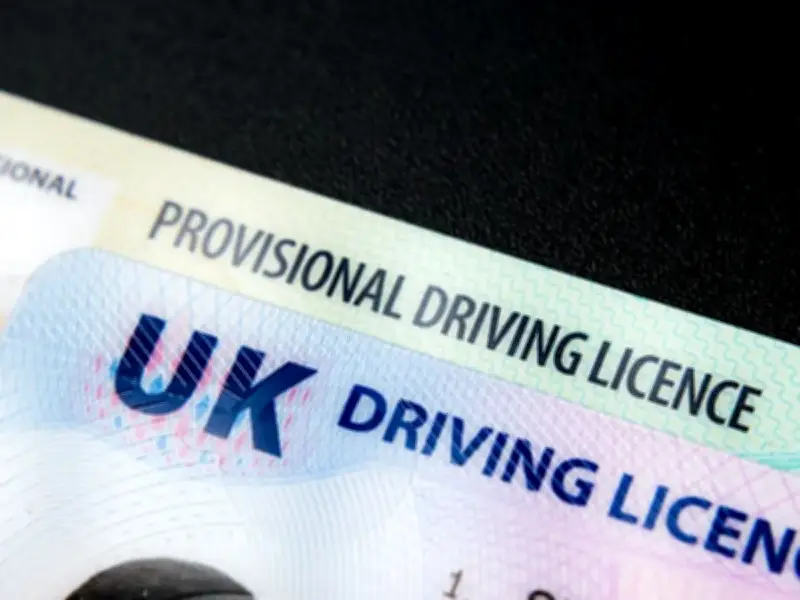
The Department for Work and Pensions (DWP) will gain new powers from October to revoke driving licences and access bank accounts of benefit claimants who persistently evade repaying their debts. The measures are part of a wider government crackdown on benefit fraud and overpayments.
Under the new rules, DWP officials will be able to issue direct deduction orders to banks, allowing them to withdraw money from claimants' accounts to recover owed sums. In the most serious cases, the department can apply to a court to temporarily disqualify individuals from holding a driving licence, but only if the court is satisfied that the debtor had the means to repay and did not do so without good reason.
Debt recovery measures target key benefits
The crackdown focuses on Universal Credit, Employment and Support Allowance (ESA), and Pension Credit. The DWP has urged people with outstanding benefit debts to contact the department before direct action is taken from October.

In a statement, the DWP said: "Money owed to DWP can now be recovered from an individual’s bank account by issuing a direct deduction order to their bank for repayment. In the most serious cases where individuals have persistently and deliberately evaded repayment of debt, DWP can apply to the court to temporarily disqualify an individual from holding a driving licence where the court is satisfied that the debtor had the means to repay and did not without good reason."
Government defends tougher approach
Work and Pensions Minister for Transformation Andrew Western defended the measures, saying: "Hardworking taxpayers deserve a system that pursues those who deliberately dodge their debts, and that is exactly what these new powers deliver. To anyone with an outstanding debt - our door is open and DWP will always work with you to find an affordable way to repay. But for those who can pay and won’t - we’re going further than ever before to claw back cash and crack down on fraud."
The move is part of a major Labour plan to save billions wasted annually in benefit fraud and overpayments. The government argues that these powers are necessary to ensure that those who owe money to the state are held accountable, while still offering support to those who engage with the repayment process.