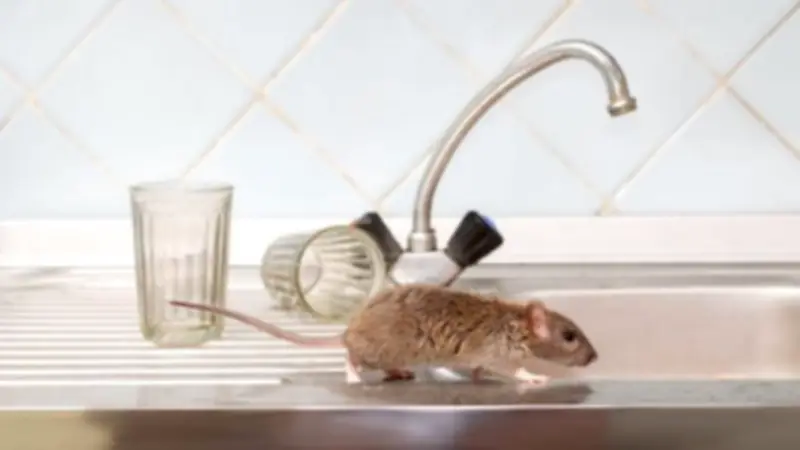
Rats are increasingly seeking refuge indoors as summer temperatures soar, prompting experts to share effective deterrents. The rodents, typically associated with autumn and winter invasions, are now appearing during prolonged heatwaves when their natural water sources dry up. According to pest control specialists, this seasonal shift is driven by extreme weather conditions that make outdoor habitats uninhabitable.
Why Rats Are Invading Homes in Summer
During heatwaves, ground burrows and uninsulated sheds become intolerably hot, forcing rats to search for cooler environments. With windows and doors left open to combat the heat, these pests view homes as an open invitation. The scent of outdoor dining and sun-warmed rubbish bins further attracts them, making summer a prime time for infestations.
Rodents leave behind a distinctive ammonia-like odor from urine and droppings, accompanied by a musky body scent. Homeowners may also notice dark, capsule-shaped droppings (roughly 12 to 18mm long) near water sources, such as under kitchen sinks or around washing machines. Nocturnal rustling or scratching sounds are another common giveaway, as rats are most active at night.

Signs of Rat Activity to Watch For
Because rats continuously chew to trim their teeth, fresh gnaw marks on wooden door frames, plastic storage bins, or food packaging are telltale signs. If you spot these indicators, it's crucial to act quickly before the problem escalates. Early intervention can prevent structural damage and health risks associated with rodent infestations.
One simple kitchen staple may offer a natural solution: garlic. “That strong, pungent smell is their absolute nightmare,” said DIY expert Glen Peskett from Saxton Blades. “Garlic, with its strong sulphur compounds, overwhelms their sense of smell and makes them feel disoriented. These compounds are also something rats associate with toxic substances, naturally deterring them from entering your home.”
Using Garlic as a Natural Deterrent
Peskett recommends placing garlic near common entry points, such as doors, vents, garages, lofts, and cracks in exterior walls. This simple measure can create an invisible barrier that discourages rats from crossing the threshold. However, garlic is just one part of a comprehensive approach to rat prevention.
Rats often nest outdoors near the house before finding a way inside, so making your garden less inviting is essential. Pick up windfalls and harvest ripe fruit immediately to remove food sources. Rubbish should be kept in robust metal or plastic bins with lids firmly closed. Additionally, periodically washing out wheelie bins can eliminate food odors that intensify in summer heat.
Additional Prevention Tips
Beyond garlic and garden maintenance, homeowners should seal any gaps or cracks in exterior walls, doors, and windows. Rats can squeeze through surprisingly small openings, so thorough inspection is vital. Keeping outdoor dining areas clean and storing pet food indoors can also reduce attractions.
For those concerned about toilet entry, plumbers have noted that rats can swim up pipes, especially in older homes. Installing non-return valves or keeping toilet lids closed can mitigate this risk. While garlic offers a natural deterrent, combining it with good hygiene practices and structural repairs provides the best defense against summer rat invasions.
By taking proactive steps, homeowners can protect their properties from these unwelcome guests. The key is to act early, using both natural deterrents like garlic and practical measures to eliminate attractants. With temperatures rising, vigilance is more important than ever to keep rats at bay.