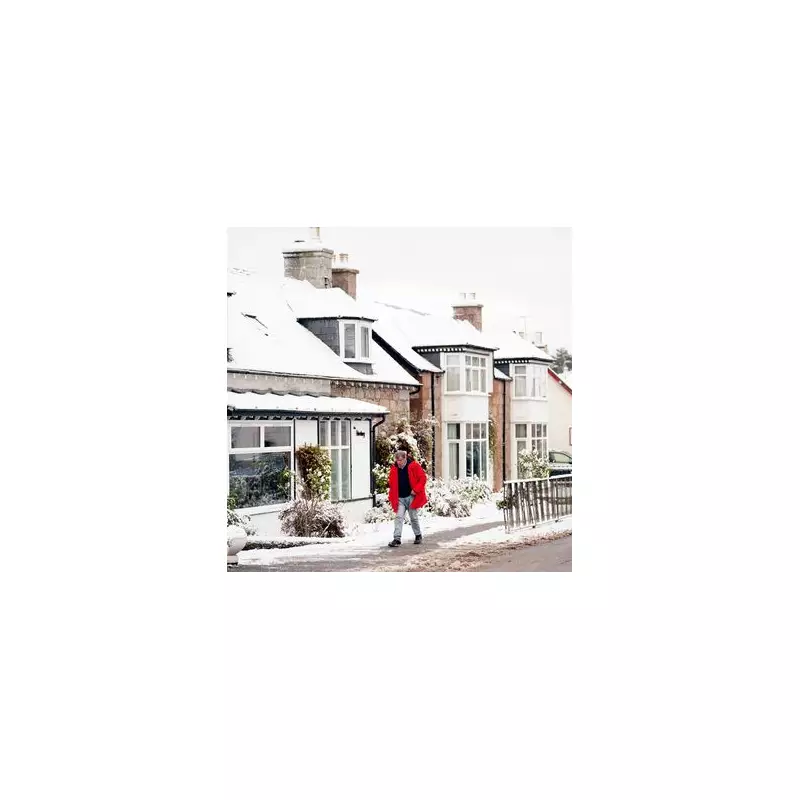
The Met Office has issued a critical safety alert to households across the United Kingdom as a yellow weather warning for ice comes into effect. The warning is active from Monday, 12 January, until 10am on Tuesday, 13 January 2026.
Essential Travel Advice for Icy Conditions
With temperatures plummeting nationwide, bringing widespread frost, ice, and snow, the national forecaster is urging the public to take extra precautions. The cornerstone of their advice is a simple yet effective time management tip. Households are being told to plan to leave their homes at least five minutes earlier than usual for any necessary journeys.
The logic behind this is clear: reducing the need to rush directly lowers the risk of accidents, slips, and falls on treacherous surfaces. Icy pavements and roads pose a significant hazard to everyone, whether on foot, bike, or behind the wheel. Allowing extra time enables a safer, more deliberate pace of travel.

Specific Guidance for Pedestrians and Drivers
For those walking or cycling, the Met Office recommends using pavements along main roads where possible, as these are often less slippery due to higher footfall and residual heat. Drivers are also strongly advised to set off earlier, as the forecast conditions are likely to lead to delays and require slower, more cautious driving. Packing a winter driving kit is considered essential for any road travel.
While the immediate ice warning is expected to be lifted by Tuesday morning, conditions remain volatile. The public is advised to stay updated by checking local weather forecasts, as warnings can change rapidly.
Further Flood Risks as Cold Snap Continues
The cold weather is set to persist throughout the week, bringing additional complications. The Scottish Environment Protection Agency (SEPA) has warned of potential flood risks in parts of Scotland due to a combination of heavy rain and melting snow.
David Morgan, SEPA's Flood Duty Manager, stated: "Continuing heavy rain, combined with melting snow, increases the risk of flooding." He identified the greatest risk areas as Dumfries and Galloway, and the west and north of Scotland. Potential impacts could include flooding affecting sections of communities, low-lying land, transport routes, and individual properties.
In summary, the key message from authorities is one of preparedness and caution. By planning ahead and allowing just a few extra minutes for travel, the public can significantly enhance their safety during this period of wintry weather.