As the UK prepares to ring in the New Year, a stark warning has been issued to anyone planning to celebrate with alcohol: avoid driving altogether on January 1st. Rehabilitation experts caution that you could still be over the legal drink-drive limit without realising it, risking severe penalties.
The Science Behind the 'Morning After' Risk
According to rehab provider Abbeycare, there is "no way to know" if your body has processed all the alcohol from the night before. The time it takes varies dramatically from person to person, influenced by weight, height, gender, metabolism, food consumption, and the type of alcohol drunk.
On average, it takes the body around one hour to process one unit of alcohol. This means a single pint of 5.5% ABV lager, containing approximately 2.4 units, can take just under two and a half hours to leave your system. However, Abbeycare stresses this is merely an average and should not be relied upon for planning a journey.

Understanding the Legal Limits and Potential Changes
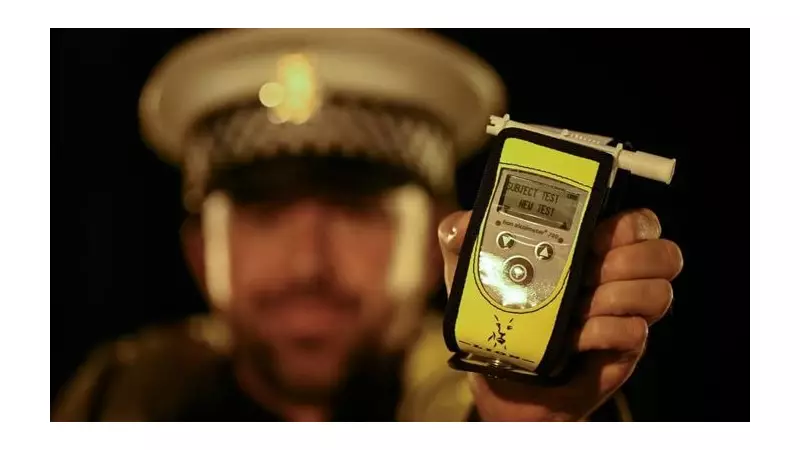
The current legal alcohol limit for drivers in England, Wales, and Northern Ireland is 35 micrograms of alcohol per 100 millilitres of breath. In Scotland, a stricter limit of 22 micrograms has been in place since 2014.
There is now significant speculation that the Government may lower the limit in England and Wales to match Scotland's, following recommendations from the Institute of Alcohol Studies. This potential change underscores the seriousness with which authorities view drink-driving.
The Severe Consequences of Getting It Wrong
The Metropolitan Police emphasise that officers can pull you over at any time if they suspect you have been drinking, you commit a traffic offence, or are involved in a collision. Refusing to provide a breath sample without a "reasonable excuse" can lead to arrest.
If found to be over the limit, the consequences are severe and can include:
- A criminal record.
- An unlimited fine.
- Up to six months in prison.
- An automatic driving ban of at least one year (rising to three years for a second conviction within ten years).
Additional long-term repercussions can involve an 11-year endorsement on your licence, dramatically increased insurance costs, difficulties travelling to countries like the USA, and professional consequences if you drive for work.
Fatigue and Festive Peer Pressure
The danger is not solely from alcohol. Research indicates that driving while tired can impair reaction times as much as drink-driving. Combining residual alcohol with exhaustion after a night of celebration creates a perfect storm of risk.
Abbeycare also highlights the increased danger during the festive season, where poor public transport options, impaired decision-making, and peer pressure can lead to unsafe choices. They note that younger drivers, who may not have witnessed the grave consequences firsthand, are particularly susceptible.
The unequivocal advice from experts is clear: if you plan to drink on New Year's Eve, arrange alternative transport home or wait until January 2nd to drive. Using public transport or a taxi is the only guaranteed way to ensure you, and others on the road, stay safe as the new year begins.