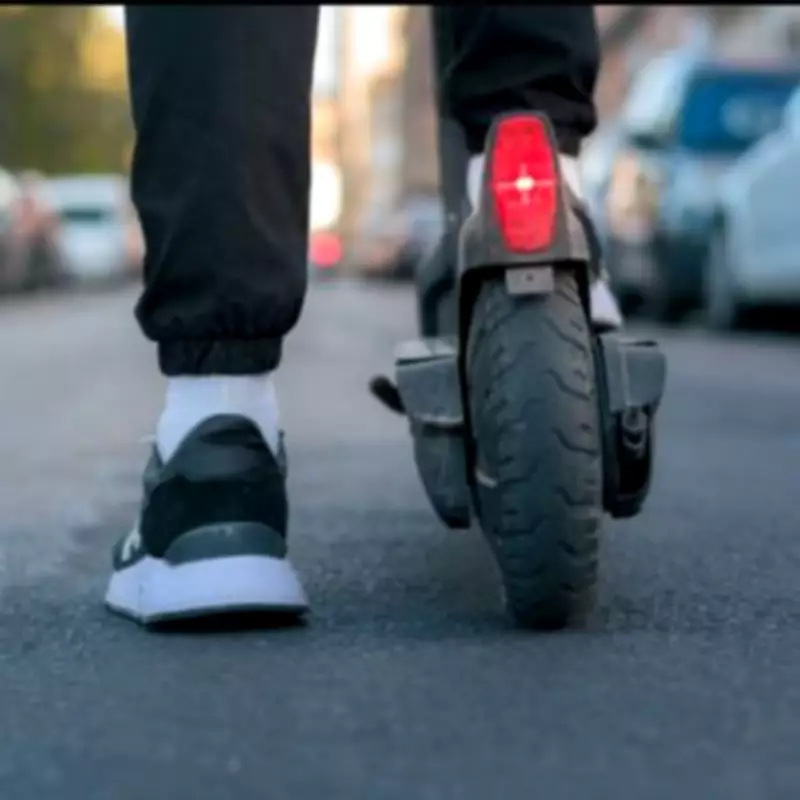
Police Commissioner Demands Clearer E-Scooter Rules in UK Crackdown
A senior policing figure has issued a strong warning that officers require firm powers and straightforward guidance to effectively enforce any forthcoming changes to electric scooter regulations in the United Kingdom. John Campion, the Police and Crime Commissioner overseeing West Mercia Police, has called upon the Labour government to ensure that upcoming legislation includes a clear and enforceable framework for law enforcement personnel on the ground.
Safety Concerns and Enforcement Challenges
In the West Mercia area, the use of privately owned e-scooters remains illegal on public roads. Despite this prohibition, Campion revealed alarming statistics from the past five years, including one fatality and eleven serious injuries involving these vehicles. Additionally, during the same period, authorities seized and scrapped ninety-five e-scooters and e-bikes.
Campion emphasized that beyond illegal usage, there are significant safety issues, such as e-scooters being modified to achieve unsafe speeds, riders neglecting basic safety equipment, and connections to criminal activities like drug dealing. He stressed that any future legal framework must be developed in close collaboration with road safety charities, policing partners, and industry experts, with a primary focus on protecting both riders and the general public.

Essential National Guidance and Operational Hurdles
The Police Commissioner highlighted that clear national guidance will be absolutely essential, both in defining what constitutes legal use and in outlining how police are expected to enforce new legislation. For instance, if pavement riding is to be prohibited, there must be clarity on how this ban can be realistically enforced by officers.
Campion also pointed out several operational challenges for policing, including issues related to safe pursuit, identification of riders, and the absence of registration markers on e-scooters. He argued that these concerns must be adequately addressed within the legislative framework to ensure effective law enforcement.
Critical Safeguards and Collaborative Efforts
Furthermore, Campion called for clarity on essential safeguards such as age limits, speed restrictions, and technical standards, drawing on evidence from national pilot schemes that have been conducted. He emphasized that with demand on policing at an all-time high, legalization will likely increase the number of e-scooters in communities, making education for young people and partnership working with retailers—both physical stores and online marketplaces—critical components of any successful regulatory approach.
In conclusion, Campion expressed his willingness to discuss these matters further and to ensure that the policing perspective is fully reflected as legislation is developed, underscoring the urgent need for a comprehensive and enforceable regulatory system.