UK holidaymakers are being urged to exercise caution when scanning QR codes abroad, as a sophisticated scam could cost them an average of £182. New data reveals that approximately 6.6 million people believe they have fallen victim to a travel-related scam while on holiday, with the average financial loss reaching £182 per victim.
Millions encounter suspicious QR codes
The warning comes as research indicates that around three million holidaymakers report having seen a dodgy QR code during their travels. Furthermore, 14 million people say they are more likely to scan QR codes while away from home, increasing their exposure to potential fraud.
Ryan Pearson, regional manager UK & Ireland at Booking.com, highlighted the growing sophistication of these scams. He said: "As scams become increasingly sophisticated, it’s more important than ever for travellers to take a moment to pause before making a payment, double-check who they’re communicating with and stick to trusted platforms and providers wherever possible."

Which? issues practical safety advice
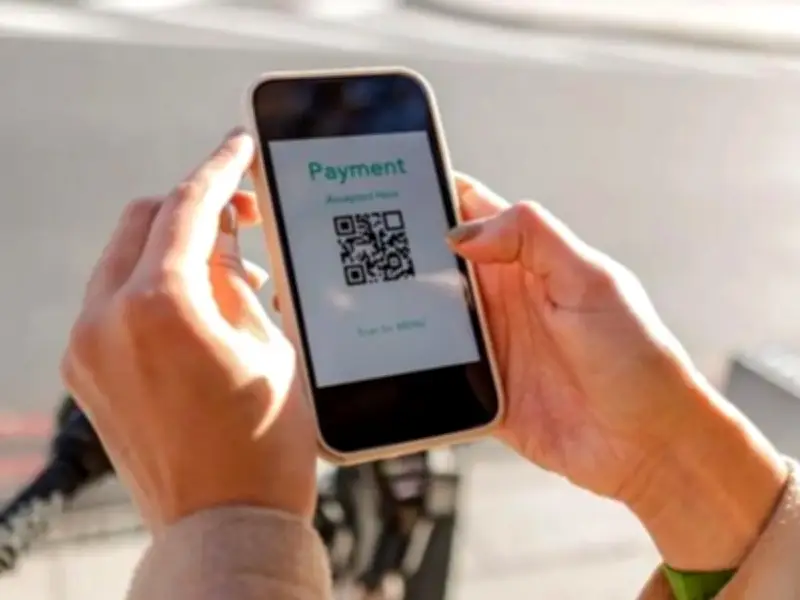
Consumer group Which? has released guidance to help travellers avoid falling victim to QR code fraud. Their tips include inspecting the QR code for signs of tampering, such as a sticker placed over an existing code. If there is any doubt, they recommend entering the website address manually rather than scanning.
Which? also advises previewing the website address before following it. When scanning a QR code, the address should appear on the screen before any redirection occurs. Travellers should verify that the address matches what they were expecting to see.
Avoid public QR codes and payment links
The guidance further warns against scanning QR codes in public places, such as car parks. In such locations, alternative payment methods should be sought, and information about other ways to pay is usually available. Which? also advises avoiding QR codes for payments whenever possible, as well as avoiding QR code scanning apps, which may increase the risk of downloading malware or being redirected to misleading adverts.
Most mobile devices have built-in QR code readers within the phone's camera, and Which? recommends using that function instead of third-party apps. Additionally, travellers should avoid scanning QR codes contained in emails, as scammers may use them to disguise phishing links. Following these precautions can significantly reduce the risk of financial loss and protect personal data while abroad.