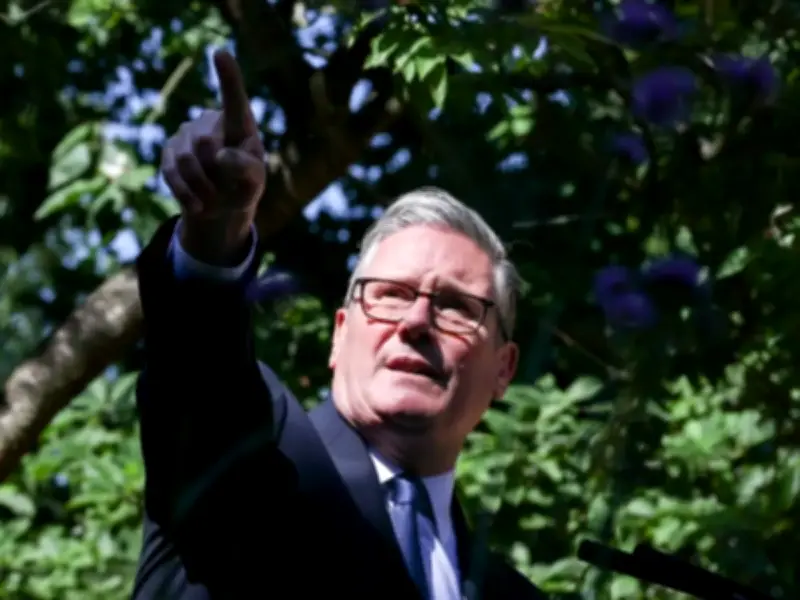
Sir Keir Starmer, the former prime minister, has been designated as a core participant in the grooming gangs inquiry investigating Birmingham, meaning he could be called to give evidence when proceedings begin in December. The inquiry chairwoman granted him special status under public inquiry regulations, giving him rights to take part in the investigation. While this does not guarantee he will be required to testify, many core participants are asked or compelled to do so.
Who else holds core participant status?
Survivors and their relatives, charitable organisations, whistleblowers, senior police officers, and government departments have also been named as core participants. The controversy-plagued inquiry is examining how grooming gangs operated across England and Wales, and how police forces, local authorities, health and social care providers, educational institutions, and other public bodies responded.
The inquiry has confirmed it is focusing on multiple locations where significant failings in handling child sexual exploitation have been identified. These include Birmingham, Bradford, Keighley, London, Oldham, and areas in Wales.
Government criticism and inquiry delays
The Government has faced criticism over its management of the investigation. Sir Keir initially rejected calls for a national inquiry last year, after technology entrepreneur Elon Musk used his X social media platform to attack the then-prime minister over the long-standing scandal. After the reversal on commissioning the inquiry, attempts to establish the body were plagued by postponements, departures, and disputes over its remit.
During his Labour leadership campaign, Andy Burnham maintained he "acted immediately" on grooming gangs while serving as mayor of Greater Manchester and criticised others for manipulating the facts.
Inquiry powers and leadership
Baroness Anne Longfield, former children's commissioner for England, is leading the £65 million three-year inquiry. It possesses statutory powers to compel witnesses to give evidence and require organisations to surrender documents. An inquiry representative explained that the core participant decision "considers whether a person played, or may have played, a direct and significant role in relation to the matters to which the inquiry relates, whether they have a significant interest in an important aspect of the matters to which the inquiry relates, or whether the person may be subject to explicit or significant criticism during the inquiry proceedings or in the report, or in any interim report", adding: "Nobody is beyond examination or transparency, and that the inquiry is following the evidence, wherever it leads."
Baroness Longfield stated: "We are determined to establish the truth about these horrific crimes, understand why children were failed for so long, and ensure that those responsible for protecting them are held properly to account." Nathalie Swanwick, from law firm Simpson Millar, which is representing three victims at the inquiry, said: "Speaking about what happened to them will not be easy, but our clients are determined to have their voices heard. They want answers, they want accountability, and above all, they want to stop other children going through what they did."
Hearing schedule and next steps
Proceedings will be held in London and, following their launch at the close of the year, are scheduled to resume in January, March, and April 2027. The hearings will initially concentrate on testimony from victims, before examining recommendations from previous investigations, and subsequently scrutinising institutions prior to publishing its conclusions. Any criminal evidence uncovered throughout the process will be referred to Operation Beaconport, the nationwide police initiative established to review hundreds of previously closed investigations.