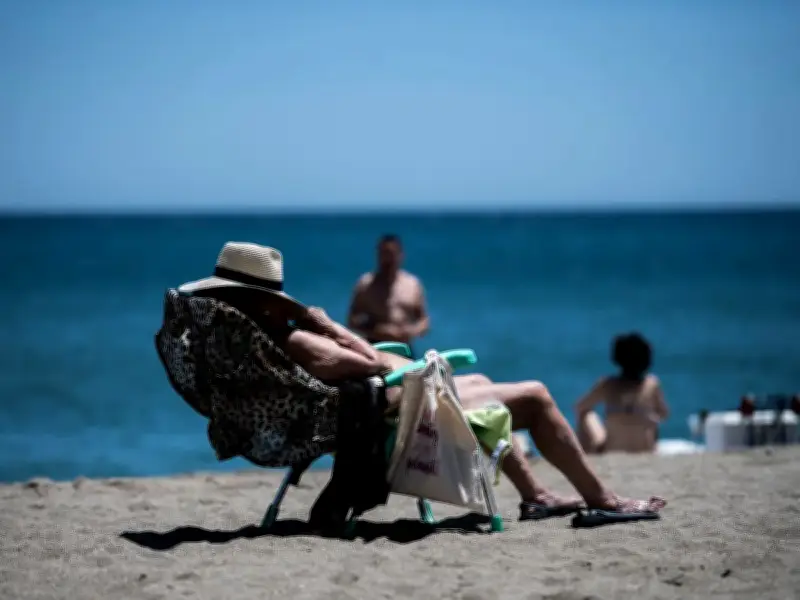
Six beaches in the Spanish city of Malaga were closed to swimmers after storms triggered the release of raw sewage into the sea, with E.coli detected at levels above safe limits. The closures affected Campo de Golf-San Julian, Guadalmar, La Misericordia, Sacaba, San Andres, and El Palo beaches, according to local reports.
The beaches were shut the weekend before last, after the city's municipal water company, Emasa (Empresa Municipal Aguas de Málaga), found E.coli levels above the safe threshold. Local police have reportedly been enforcing the rules and clearing swimmers out of the water.
Storm-related contamination and official explanation
Councillor Penélope Gómez, speaking to local news publication SUR, diario de Málaga, confirmed the contamination was linked to storms in the vicinity. She explained that the main sewage system runs parallel to the coast and is fed by combined sewers, where stormwater and sewage flow through the same pipes.
"The main sewage system, which runs parallel to the coast, is fed by combined sewers (stormwater and sewage flow through the same pipes), so if it rains, it's normal for some wastewater to be released into the sea," Gómez stated. "If we didn't allow it to flow, the entire city would be flooded with sewage," she added.
Wet wipes worsen the problem
Gómez noted that the situation was exacerbated by people flushing wet wipes down the toilet, saying: "This causes blockages at certain points and exacerbates the problem." According to the local news outlet, Malaga removes 2,300 tonnes of wet wipes from its sewers every year, at a cost of around €2 million (about £1.7 million). If not dealt with, these clogs can block important parts of the sewage system, causing overflow that then runs into the sea.
Malaga was one part of Spain to experience severe summer storms earlier this month, as heavy rain caused flash floods in many parts of the country. Clean-up operations were deployed to clear debris from the beaches.