Solihull Primate Owners Urged to License Pets Before April Deadline
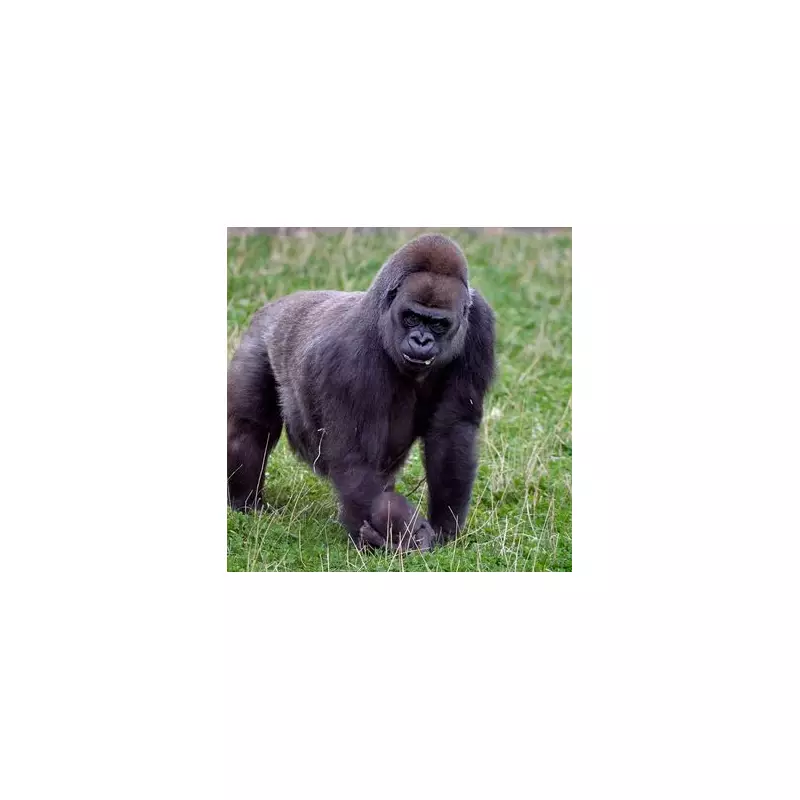
Concerns have been raised that new government regulations around primate ownership could drive some Solihull residents to "go underground" rather than surrender their unusual pets. The Animal Welfare (Primate Licences) England Regulations 2024, which came into effect last year, will make it illegal to keep monkeys, lemurs, and other primates in England without a specific licence from April 6, 2026.
Strict Penalties for Non-Compliance
Anyone found keeping a primate without the appropriate licence could face severe consequences, including:
- Up to six months in prison
- An unlimited fine
- Both imprisonment and financial penalty
These rules specifically target private owners and do not apply to primates kept in licensed zoos or under ASPA (Animals Scientific Procedures Act) licences. The new private licensing system will be administered by local authorities, with Solihull Council recently discussing implementation at their latest licensing committee meeting.

Council Uncertainty About Local Primate Numbers
During the meeting, licensing manager Annie Bettison revealed the authority's uncertainty about how many primates might currently be kept within the borough. "We honestly don't know," she told councillors, adding that "we think there probably are some current keepers in the borough – it's whether they decide to do the right thing and give those pets up or go underground."
Bettison expressed concerns about the practical implementation of the legislation, noting that "the way the legislation is drafted, it is going to be so difficult to meet the requirements." She suggested that the Department for Environment, Food and Rural Affairs (DEFRA) likely intends the regulations to "prevent people from keeping primates as pets" altogether.
Licensing Fees and Additional Requirements
Councillors at the January 27 meeting held in the Civic Suite agreed on a fee structure for the new primate licences:
- Standard primate licences will cost up to £680 for a three-year period
- Owners of particularly dangerous species including chimpanzees, baboons, and gorillas will require an additional dangerous wild animals licence costing £435
The council now faces the challenge of establishing both the administrative processes and enforcement mechanisms for the new system. Bettison emphasized that "we need to set a structure in terms of process and the legislation allows you to charge for parts of the work."
Potential Enforcement Challenges
With uncertainty about how many primates might be kept privately in Solihull, and concerns that some owners might attempt to conceal their pets rather than comply with the new regulations, the council anticipates relying on community intelligence. "We are anticipating, potentially, intelligence of people keeping them," Bettison told the committee.
The implementation of these regulations represents a significant shift in how exotic pets are regulated in England, moving primates from largely unregulated private ownership to a strictly controlled licensing system with substantial penalties for non-compliance.