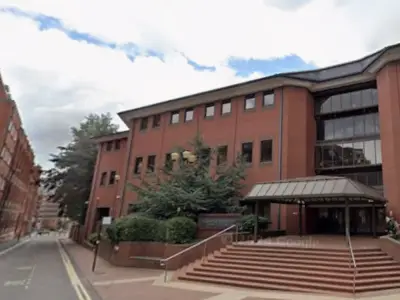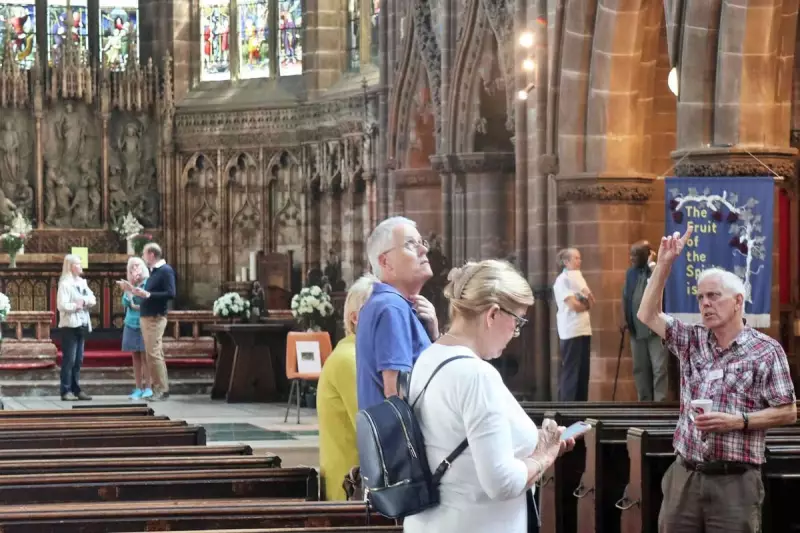
Birmingham, a city steeped in rich history, is home to numerous architectural treasures that define its urban landscape. However, many of these historic sites are now facing significant threats, including neglect, decay, and inappropriate development. To raise awareness, Historic England has included 23 listed buildings in Birmingham on its at-risk register, underscoring the urgent need for preservation efforts to safeguard these cultural assets for future generations.
Understanding the At-Risk Register
The at-risk register compiled by Historic England serves as a critical tool to highlight heritage sites across the UK that are in danger of being lost. In Birmingham, this list brings attention to buildings that hold immense architectural, historical, and community value. Losing these structures would not only erase pieces of the city's past but also impact local identity and cultural continuity.
Key Buildings on the List
Among the 23 buildings featured, several stand out for their unique stories and current challenges:
- Birmingham Midland Institute - Located at 9 Margaret Street, B3 3BU, this building was founded in 1854 for educational purposes and remains in public use today in the city centre.
- Singers Hill Synagogue - Situated on Blucher Street, this historic site has long been a vital hub for Jewish worship and community activities in Birmingham.
- Holy Trinity Church - A Grade II* listed Anglican place of worship on Trinity Road, which opened in 1864 and continues to serve as a spiritual landmark.
- Highbury Hall - Built in 1879 on Yew Tree Road as the family home of Joseph Chamberlain, designed by local architect JH Chamberlain. This ornate brick and stone house features elaborate interiors and landscaped gardens. While the ground floor hosts events, the upper floors are currently vacant. Recent repairs in 2020 addressed roof issues, and the Highbury Trust has secured Stage 1 funding from the National Lottery Heritage Fund for further restoration and redevelopment.
Challenges and Conservation Efforts
The primary threats to these buildings include prolonged neglect, structural decay, and pressures from urban development. Historic England's register aims to mobilise community support, funding, and policy interventions to address these issues. For instance, initiatives like the grant for Highbury Hall demonstrate how targeted efforts can help revive at-risk properties, ensuring they remain functional and accessible to the public.
Preserving these landmarks is crucial not only for maintaining Birmingham's architectural heritage but also for fostering a sense of pride and belonging among residents. As the city evolves, balancing modern needs with historical conservation becomes increasingly important to protect these irreplaceable sites from being lost forever.