In the quiet Staffordshire countryside, an unassuming village became the unexpected focus of international archaeological attention following a discovery that would rewrite British history. The year was 2009 when metal detectorist Terry Herbert, then aged 64, made a find that would captivate historians and treasure enthusiasts alike.
The Discovery That Changed Everything
While exploring farmland near Hammerwich belonging to Fred Johnson, Herbert stumbled upon what experts would later confirm as the Staffordshire Hoard - the largest collection of Anglo-Saxon gold and silver ever discovered in the United Kingdom. This remarkable find occurred on land that, approximately 1,300 years ago, stood close to the centre of the powerful Kingdom of Mercia during the Anglo-Saxon period.
A Treasure Trove of Historical Significance
The hoard comprises an astonishing collection of approximately 1,500 individual gold and silver pieces that historians have dated to the 7th century, specifically between AD 650 and 675. Among these precious artefacts are hundreds of remarkable items including fragments of what appears to be an ancient helmet, various weapons, and exquisitely crafted jewellery pieces that demonstrate exceptional metalworking skills from this early medieval period.
The Village Behind the Discovery
Hammerwich itself is a modest Staffordshire settlement located approximately three miles from the historic city of Lichfield. Despite its relatively small population of fewer than 4,000 residents today, the village boasts an ancient heritage that predates even the famous discovery.
Ancient Roots and Historical Sites
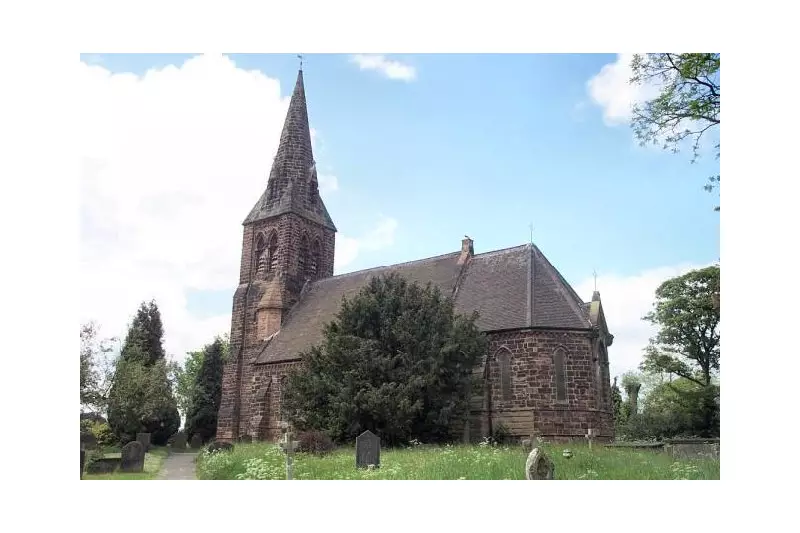
The village's historical significance is documented as far back as the Domesday Book of 1086, where it appears under the name Humeruuich. Visitors to Hammerwich today can explore several sites of historical interest, including the Church of St John the Baptist. This Anglican establishment has maintained a presence in the village since at least the seventh century, though the current structure dates from Victorian renovations.
Another notable historical building is Speedwell's Mill, constructed in 1779 and later converted into a private residence during the early twentieth century. These structures stand as testament to the village's long and varied history beyond its famous archaeological association.
Preserving and Displaying the Hoard
The Staffordshire Hoard now forms part of the permanent collection at Birmingham Museum & Art Gallery, where visitors can marvel at these extraordinary artefacts. The display allows the public to appreciate the craftsmanship and historical significance of these Anglo-Saxon treasures, while ongoing research continues to reveal new insights about this fascinating period of British history.
Hammerwich's transformation from quiet Staffordshire village to internationally recognised archaeological site demonstrates how unexpected discoveries can illuminate our understanding of Britain's rich historical tapestry. The Staffordshire Hoard remains one of the most important archaeological finds of the twenty-first century, forever linking this unassuming village with a pivotal moment in the study of Anglo-Saxon Britain.