The face of Birmingham extends far beyond its bustling city centre. A journey through the city's outer neighbourhoods reveals a landscape that has undergone a profound and dramatic transformation over the decades.
From Villages to Urban Hubs
This evolution is powerfully illustrated by delving into historical archives. Take Northfield, for instance, which as recently as 1900 was still a quiet village nestled in the Worcestershire countryside before its absorption into the city. Its neighbour, Longbridge, witnessed an industrial revolution of its own. From 1905, Sir Herbert Austin built a mighty car manufacturing empire there, an operation that defined the area until the factory's closure in 2005. This industrial boom transformed a sleepy district into a major production centre, complete with a housing village named Austin Village in the founder's honour.
Constant Reinvention: Housing and Industry
The city's story is one of constant change and adaptation. In Castle Vale, the landscape has shifted from an airfield to towering blocks of flats, and now back towards different forms of housing. This cycle of demolition and rebirth is a recurring theme across Birmingham's map. The physical remnants of industry have also faded, as seen in the demolition of the former Lucas factory on Great King Street in June 1990.
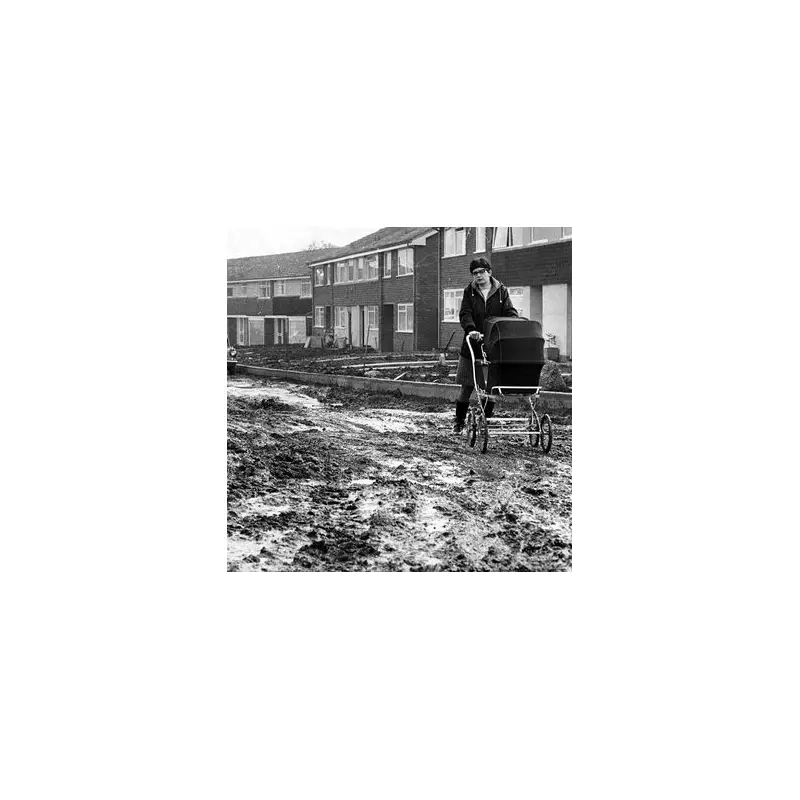
Other areas tell stories of post-war recovery and community resilience. A poignant image from August 1952 shows a bomb site in Small Heath, a stark reminder of the city's wartime scars. Later, in November 1967, children were photographed playing among wrecked cars and rubbish on cleared redevelopment sites in Balsall Heath's Knutsford Street, highlighting the challenging transitions of urban renewal.
Capturing the Changing Streets
The archive photos provide a fascinating glimpse into the daily life and infrastructure of bygone eras. They show Aston High Street in January 1962 and Lichfield Road, Aston, in 1930. Transport history is captured too, with a No. 70 tram pictured on its final journey through Northfield on July 5, 1952. Meanwhile, the Sportsman Inn on Newtown Row stood awaiting demolition in 1970 to make way for major roadworks.
While much has changed, some pockets have resisted the tide of transformation. Yardley Old Village is noted for having hardly changed over the decades, preserving a tangible link to the past. From the Mermaid pub in Sparkbrook in the late 1800s to Kingstanding Circle in 1950, each image adds a layer to the complex history of England's second city. This continuous evolution, from village greens to industrial heartlands and modern residential areas, is precisely what makes Birmingham such a dynamic and compelling place to live.