The Real Peaky Blinders: New Research Reveals Complex Truth Behind TV Show
New research has unveiled the intricate reality of Birmingham's notorious Peaky Blinders gang, offering a far more nuanced picture than the television drama suggests. To coincide with the release of the new film Peaky Blinders: The Immortal Man, Ancestry has delved into historical records, uncovering that the gang was not a tightly organized criminal enterprise but a loose network of youths operating across Birmingham at the turn of the 20th century.
Beyond the TV Myth
The study highlights how crime, work, and family life often intersected in this era, with involvement in the Peaky Blinders not limited to men. Newspaper clippings and court reports from the time provide a gritty backdrop to the on-screen drama, showing real-life violence and characters that mirror the fictional portrayals.
Key Figures from History
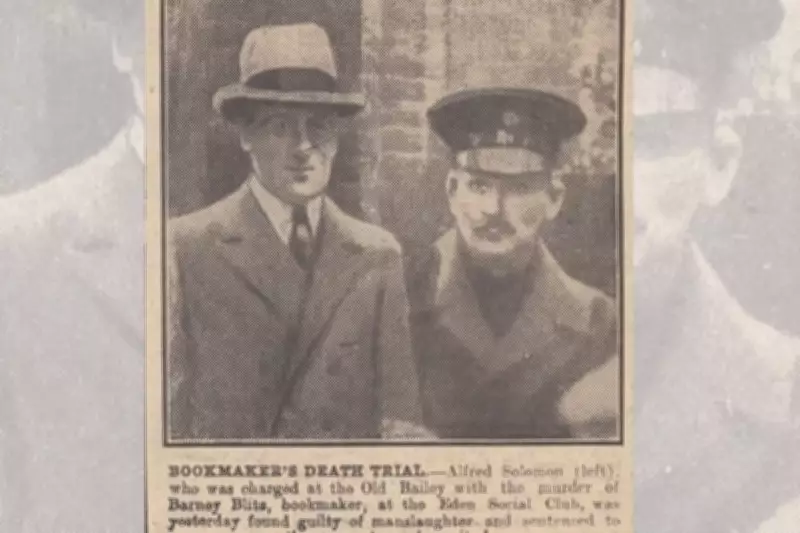
William 'Billy' Kimber: In a 1921 court report from The Birmingham Gazette, Kimber testified about being shot and hit in the eye, allegedly by Alfred Solomon. The report also notes the presence of Mr. Sabini, a historical figure featured in the film, underscoring the blend of reality and drama.
Emma Rowlands: Described as a female Peaky Blinder in The Birmingham Evening Mail in 1895, Rowlands was charged with striking a man in the eye with a belt, causing permanent visual impairment, challenging the notion of exclusive male involvement.
William and James Brough: In 1905, these brothers, both linked to the Peaky Blinders, were arrested after James drunkenly attacked a police officer, with William joining the altercation, as reported in the Birmingham Evening Mail.
Alfred Solomon: Based on a real-life London gangster born in the late 1880s, historical records show Solomon was charged with the murder of Barney Blitz, highlighting the violent underpinnings of the era.
Implications of the Findings
This research not only enriches our understanding of Birmingham's past but also adds depth to the cultural phenomenon of the Peaky Blinders. It reveals a community where boundaries between legality and crime were blurred, and where individuals navigated complex social landscapes. The findings serve as a reminder that history is often more layered than popular media depicts, offering valuable insights into the city's heritage and the lives of its residents during a transformative period.