Work to transform the historic Laboratory Building at the Hafod-Morfa Copperworks site in Swansea is on track for completion this year, marking a significant milestone in the city's industrial heritage regeneration.
Restoration Progress and Future Plans
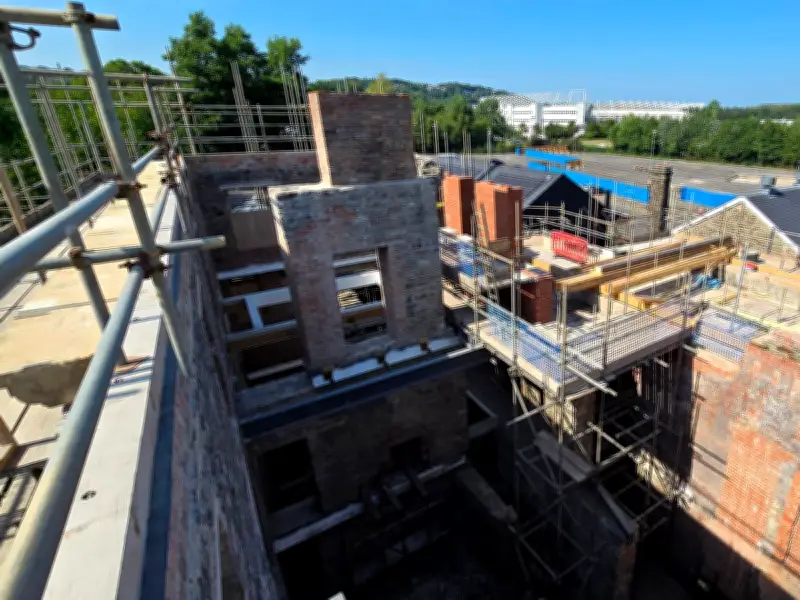
Council contractors have been working on the grade II-listed building since late 2024 and are now installing new floors, with a Welsh slate roof also planned. The building, which likely served as a testing facility for copper ore quality during Swansea's industrial heyday, will be ready for internal fit-out once the structural work is finished.
The council has indicated that future uses could include a restaurant capable of seating more than 100 diners. This is part of a broader regeneration programme across the Lower Swansea Valley, supported by the UK Government's local regeneration fund.
Heritage Significance and Site Context
The Laboratory Building, with its ornate windows and stone doorcase, sits adjacent to the Morfa Gates, once a key entrance to the copperworks. According to the council, it was probably used to test the quality of copper ore arriving at the site.
Councillor Rob Stewart, leader of Swansea Council, said: "We're bringing the historic Laboratory Building back into use and it's great to see the floors going in and the building coming back to life. The copperworks site has the potential to become a major leisure destination, building on its status as a key part of Swansea's heritage."
Wider Regeneration Efforts
Stewart added: "We're pushing forward with the restoration of the Tawe river corridor and the Lower Swansea valley project. Penderyn are there, the two historic engine houses are being restored, and we have plans for more boating pontoons on the river."
John Weaver Contractors are overseeing the Laboratory Building overhaul, with GWP Architecture and Coreus Group also involved. The council said a search for a tenant would begin shortly.
Nearby Engine Houses and Archaeological Discoveries
The nearby Vivian and Musgrave engine houses are also set for restoration. During excavation work, remains of wheel pits, rolling mill trenches, and furnace bases—some potentially up to 200 years old—were discovered at the engine houses, as reported to the council's planning committee last month.
The project includes a new link building between the two grade II-listed engine houses, and the completed site will be suitable for restaurant, cafe, retail, and exhibition uses.
These efforts are part of a wider vision to regenerate the Lower Swansea Valley, with plans for a new river walkway, new facilities along the river, and a major tourism destination expected to open nearby.