Winson Green's Community Crisis: How HMO Boom is Shattering Birmingham Neighbourhood
For fifteen years, Dev has operated his vibrant mini supermarket at the heart of Winson Green, witnessing the area's transformation through the changing faces of his customers. Today, he voices a growing concern shared by many long-term residents: the neighbourhood he once knew is being eroded.
"It's getting worse every day," Dev reveals. "Some customers are abusive, they shout at us, they are violent towards us and each other. I still have lots of lovely customers but I think a lot of the families have been scared away by all the drugs and the bad behaviour."
The Scale of Transformation
A new BirminghamLive investigation has uncovered the dramatic shift in housing across Birmingham, with Winson Green emerging as a prime example of the consequences. The probe highlights how landlords are increasingly converting family homes into hostel-style properties, attracted by substantially higher rental yields within what residents describe as an unregulated system.
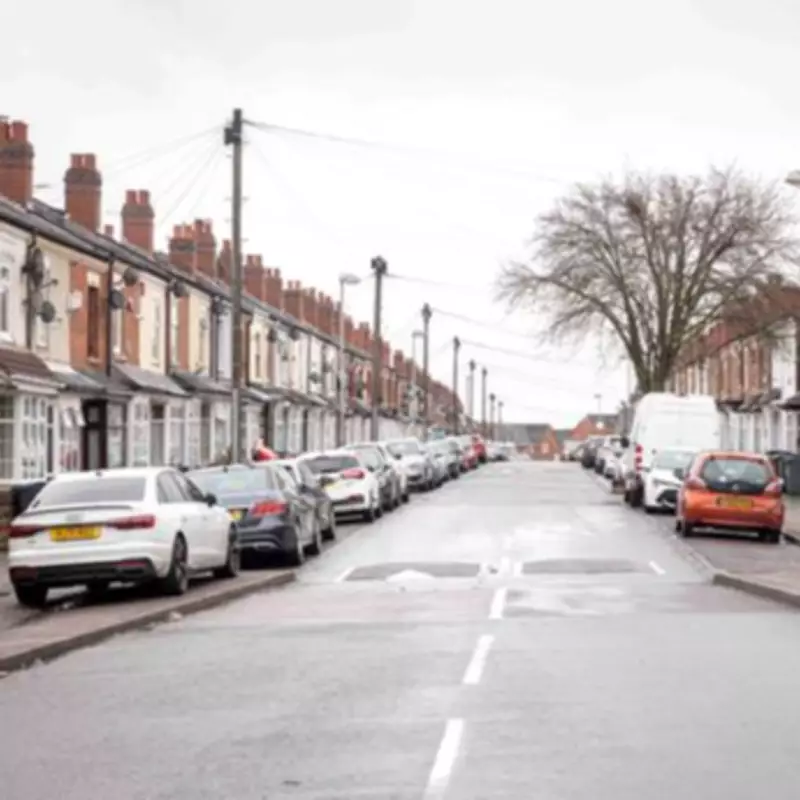
Our investigation found that within just three terraced streets in Winson Green – Markby, Preston and Willes roads – a staggering 120 of the 450 homes are now licensed Houses in Multiple Occupation (HMOs). These properties predominantly attract city workers, students and private tenants seeking affordable accommodation.
Furthermore, we discovered that 37 additional homes have been converted into 'supported exempt' properties. These house recently released ex-prisoners, people recovering from addiction, individuals with mental health issues and others with complex needs, many of whom have been relocated to Birmingham from across the country.
A National Hotspot Emerges
These properties form part of a network of approximately 11,000 exempt accommodations in Birmingham, most established within the last five years. This concentration has transformed the city into a national hotspot for this sector, with profound implications for community cohesion and safety.
Landlords who previously rented to families have identified a lucrative opportunity: dividing properties into individual rooms and housing tenants who qualify for enhanced housing benefits. This strategy can yield up to six times the monthly income, with providers reportedly charging up to £400 per room weekly – and successfully securing these rates.
Community Impact and Resident Experiences
Javeed Iqbal, who lives with his extended family on Markby Road, expresses pride in his community despite mounting challenges. "There are a lot of those HMO and supported properties now," he observes. "Some are well looked after and the landlords come out if there are problems and sort things out, others just bring trouble."
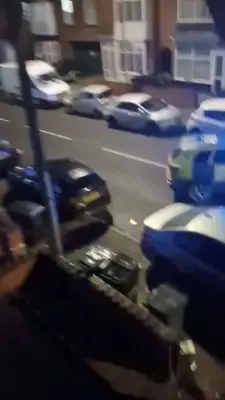
He describes increasing problems with fighting and drug-related activity, noting frequent police presence. "It's hard to believe now but it was a posh area at one time, families would fight to live here, but now it's all HMOs," he reflects, acknowledging that while some HMO residents are good neighbours, the street's character has fundamentally changed.
Nevertheless, Iqbal remains committed to the area, helping his son purchase another property on the same street. "We can't just abandon the area. This is an area for families, we need to keep it like that," he asserts.
Safety Concerns and Criminal Activity
Pregnant mother-of-two Kala, visiting her mother on Markby Road, voices serious safety concerns. "There are dealers up and down the road, there are lots of people passing by, we worry for our children, we couldn't let them out in the area alone," she explains.
She references limited police prevention activity and a cycle where individuals involved in disorder are removed only to return within days. Kala suggests stricter measures, including community work for those misbehaving or unemployed, to help improve the area.
Tragically, she recalls the murder of Irene Mbugua, a 46-year-old single mother and carer found dead on Markby Road in June last year – a case currently proceeding to trial.
A young father of three on the same street describes an environment where his wife fears going out at night and letting older children play outside independently is "impossible to imagine." He notes open drug dealing and speeding cars, adding that affordable rental options elsewhere appear to present similar problems.
Crime Statistics Reveal Pattern
Crime data for the area substantiates resident concerns. In Markby Road alone, 61 crimes were recorded in 2025 – averaging more than one weekly – including one murder. Over half involved violent or sexual offences, with most cases not resulting in prosecution.
Neighbouring Preston and Willes roads recorded an additional 84 crimes last year, again with limited resolutions. Across the wider Soho and Jewellery Quarter ward encompassing Winson Green, more than 5,300 crimes were recorded.
West Midlands Police have previously identified strong connections between rising anti-social behaviour, drug dealing, violence and the exempt property sector, though quantifying exact links remains challenging.
Historical Perspective and Political Dimensions
Carl Chinn, Birmingham's prominent social historian, emphasises the profound impact of the exempt property explosion on traditional working-class communities across the city. He suggests that the situation in Winson Green reflects a broader pattern.
"The council and government allow landlords to dump on places like Winson Green for years before acting, in contrast to how they react to issues in better off areas," Chinn states. "This would not have been allowed to go on so long in other areas. That's in part because politicians know that working class people are less likely to vote and have less political, social and economic power."
Multiple official reports have described the sector's expansion as a 'cash cow' involving mass exploitation by questionable landlords. West Midlands Police have noted clear links between the exempt sector and organised crime, including money laundering activities.
The transformation of Winson Green raises urgent questions about housing policy, community preservation and equitable resource allocation across Birmingham's neighbourhoods.